Understanding the Coalition Church Movement
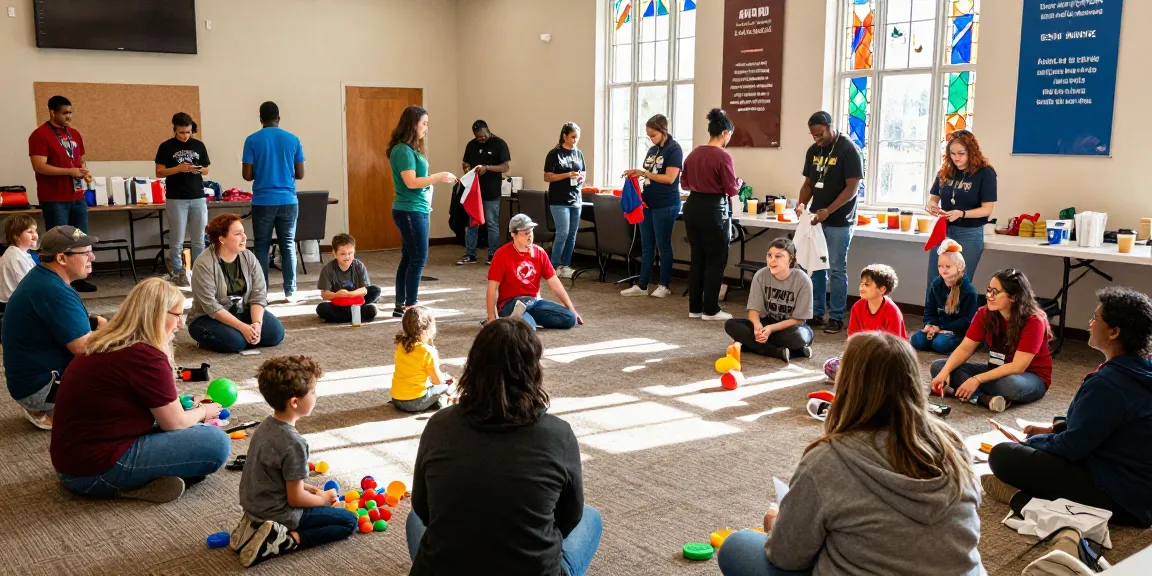
The Coalition Church movement is a contemporary expression of faith emerging from a desire to create inclusive and engaged communities centered around shared beliefs and values. As churches evolve in an increasingly interconnected world, the coalition approach emphasizes collaboration among congregations and a focus on collective action to address community needs. By fostering an environment where diverse members can gather and contribute, coalition churches aim to create spaces that inspire growth, outreach, and spiritual development. When exploring options, coalition church initiatives often provide comprehensive insights into how collective worship can enhance community bonds.
What Defines a Coalition Church?
A coalition church is characterized by its commitment to collaboration, both within the congregation and with external communities. Unlike traditional churches, which may focus primarily on individual worship and spiritual practices, coalition churches often incorporate elements of partnership and teamwork into their mission. This may involve working alongside other local churches, charities, and organizations to address common goals, such as serving the needy, fostering community engagement, and promoting environmental stewardship. In essence, coalition churches prioritize inclusivity, shared resources, and a united approach to ministry.
History and Evolution of Coalition Churches
The roots of the coalition church movement can be traced back to the late 20th century when various denominations began to explore alternative forms of worship and community organization. This shift was in part a response to rising secularism and declining church attendance, compelling leaders to innovate and rethink traditional models. By the early 21st century, coalition churches emerged as a distinct category, often embracing a non-denominational or inter-denominational philosophy. This evolution highlights a growing recognition that spiritual needs and community engagement are better served through collaboration rather than competition among congregations.
Core Beliefs and Practices in Coalition Communities
At the heart of coalition churches lie core beliefs aligned with a commitment to community service, inclusivity, and shared worship experiences. While doctrinal differences may exist between coalition churches, common practices include:
- Collaborative Worship: Services often incorporate teachings from various traditions, allowing for a richer experience.
- Community Service: Active participation in outreach programs is a hallmark, encouraging members to engage with their surroundings.
- Shared Leadership: Leadership structures may be more fluid, involving various members in decision-making processes.
- Interfaith Dialogues: Coalition churches often promote discussions between different faith groups, fostering understanding and respect.
The Role of Community Engagement
Community engagement is paramount in the coalition church framework, as it directly influences the church's ability to meet local needs and foster relationships. The essence of community lies in human connection, and coalition churches strive to build robust ties among their members while reaching out to the wider community.
Building Strong Relationships within the Coalition Church
Strengthening relationships within the coalition church starts with creating an atmosphere of openness and trust. Facilitating small group gatherings can provide a space for congregants to share experiences, prayers, and support, fostering a deeper sense of belonging. Mentorship programs pairing newer members with established ones can further enhance relationship-building, creating a supportive network that encourages spiritual growth.
Community Outreach Programs and Their Impact
Outreach programs are essential to the mission of coalition churches, allowing them to implement tangible change in their communities. These initiatives can range from food drives and clothing donations to educational workshops and mental health support. By actively participating in community needs, coalition churches not only uplift those around them but also reinforce their commitment to service, making faith actionable and relevant.
Ways to Enhance Member Participation and Involvement
Encouraging participation within a coalition church can involve various strategies designed to engage different demographics effectively. Some methods include:
- Hosting Events: Concerts, potlucks, and community fairs can attract interest and promote communal bonding.
- Volunteer Opportunities: Clearly defined roles in outreach initiatives can encourage more members to get involved.
- Feedback Mechanisms: Regular surveys or suggestion boxes can help leadership understand member interests and preferences.
- Social Media Engagement: Utilizing platforms like Facebook and Instagram can keep members informed and engaged outside regular service times.
Effective Communication Strategies
For coalition churches to thrive, effective communication strategies are vital. These strategies not only inform but also engage congregants, ensuring that everyone feels included in the church’s mission.
Utilizing Digital Platforms for Outreach and Engagement
In today's digital age, leveraging online platforms is essential for outreach. Coalition churches can utilize websites, social media, and email newsletters to communicate upcoming events, share resources, and highlight community stories. By maintaining a robust online presence, churches can reach wider audiences and invite participation from various demographics, including younger members who prefer digital engagement.
Creating a Welcoming Environment in Services
The atmosphere during services plays a crucial role in establishing a welcoming environment. Designing services that are friendly and approachable can significantly enhance attendance and participation. This can involve:
- Inclusive Language: Using language that resonates with diverse backgrounds helps everyone feel welcome.
- Welcoming Teams: Assigning members to greet newcomers creates a hospitable first impression.
- Accessible Spaces: Ensuring facilities are accessible contributes to inclusivity for all members.
Feedback Mechanisms: Encouraging Open Dialogue
Encouraging open dialogue through feedback mechanisms can significantly strengthen the church community. Providing anonymous channels for feedback, such as surveys or suggestion boxes, allows congregants to express thoughts on services, programs, and community activities. Leadership should regularly review this feedback and make adjustments based on the collective voice of the members, demonstrating a commitment to continual improvement.
Growing Your Coalition Church
To ensure sustainability and growth, coalition churches must adapt to changing demographics and community needs. This dynamic approach can help maintain relevance and foster long-term connections.
Best Practices for Building Attendance
Increasing attendance in a coalition church setting involves understanding the needs of the community and offering relevant programming. Some best practices include:
- Targeted Marketing: Utilize demographic data to tailor outreach efforts to attract specific groups.
- Engaging Content: Offering engaging sermons and dynamic worship experiences can draw people in.
- Word of Mouth: Encouraging members to invite friends and family can organically increase attendance.
Strategies for Fundraising and Resource Management
Financial stewardship is a critical component of sustaining coalition churches. Strategies for effective fundraising may include:
- Annual Campaigns: Establish structured giving campaigns that align with community goals.
- Grant Applications: Pursuing funding from local and national organizations focused on community service can bolster resources.
- Transparent Budgeting: Openly sharing financial goals and resource management with the congregation fosters trust and encourages greater giving.
Partnering with Local Organizations for Shared Goals
Forming partnerships with local organizations can amplify the impact of coalition churches. Collaborating with non-profits, schools, and government programs can open avenues for joint initiatives that benefit the entire community. This synergy not only enhances outreach efforts but also fosters a sense of collective purpose shared with the wider community.
Future Trends in the Coalition Church Sector
As coalition churches look toward the future, emerging trends will shape their missions and practices in the coming years. Navigating these trends will be crucial for adaptability and continued relevance.
Emerging Challenges and Opportunities for 2026
In 2026, coalition churches may face challenges such as declining participation rates and increased secularism. Conversely, these challenges afford opportunities for churches to innovate their approaches, creating fresh and engaging ways to connect with both congregants and the broader community. Adapting to these challenges will require a proactive approach to outreach and relationship-building.
The Impact of Technology on Worship and Community
Technology is expected to play an increasingly central role in how coalition churches conduct worship and maintain community connections. Live-streaming services, virtual small groups, and online community forums will likely become standard practices, allowing churches to reach congregants who may be unable to attend in person. However, balancing digital engagement with in-person interactions remains essential for fostering authentic relationships.
Adapting to Cultural Shifts and Community Needs
Adapting to cultural shifts will be vital for coalition churches to remain relevant. Understanding changing societal values and community dynamics can help churches tailor their programs and outreach effectively. Engaging with local leaders and participating in community assessments can provide valuable insights, allowing coalition churches to meet the evolving needs of their congregations and neighborhoods.
What is a coalition church?
A coalition church is a community of believers that prioritizes collaboration and collective action in worship and outreach efforts.
How can I get involved with my local coalition church?
Getting involved with a local coalition church typically involves attending services, participating in community outreach programs, and joining small groups.
What types of outreach programs do coalition churches offer?
Coalition churches often provide food drives, clothing donations, educational workshops, and health services as part of their outreach initiatives.
How do coalition churches differ from traditional churches?
Coalition churches emphasize collaboration and inclusivity, contrasting with traditional churches that may focus on single-denominational practices and individual worship.
What are the benefits of being part of a coalition church community?
Benefits of being part of a coalition church include a sense of belonging, opportunities for active participation in community service, and enriched spiritual growth through diverse perspectives.