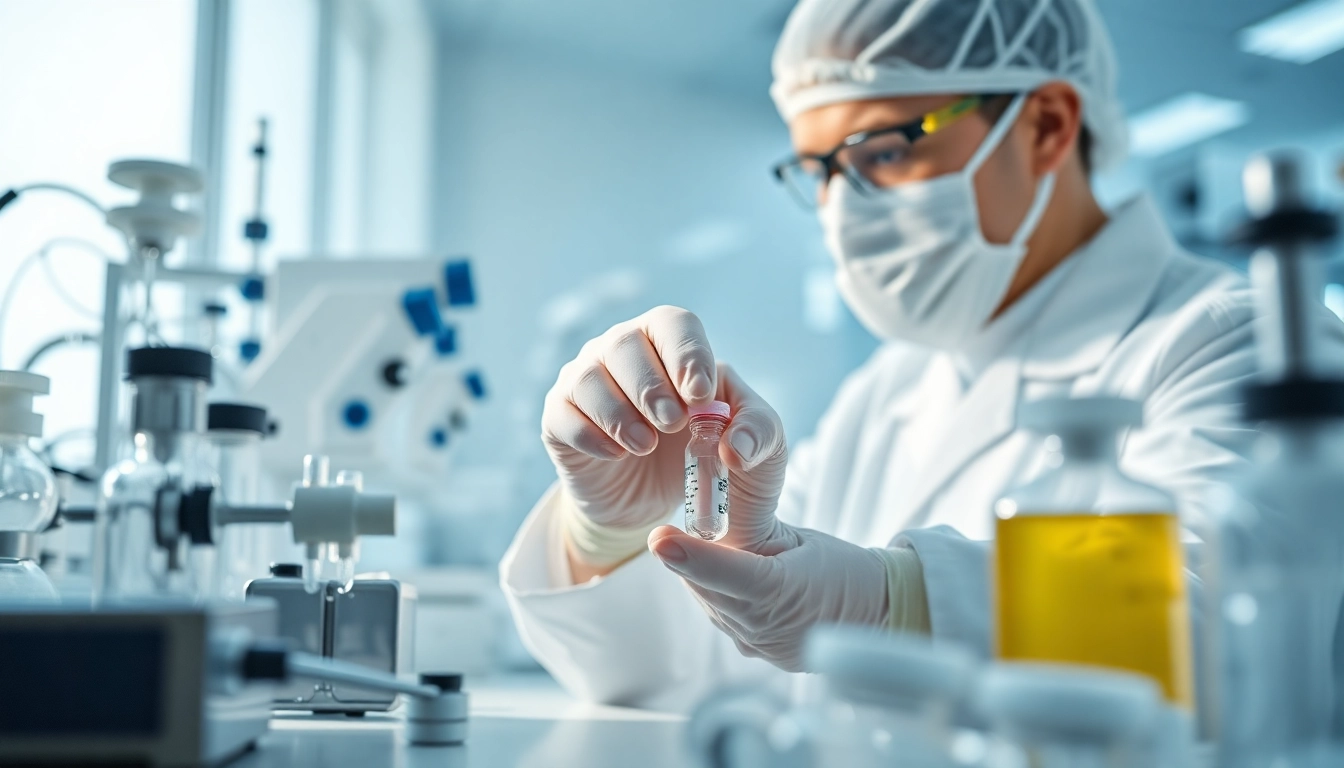
The Science Behind Research Peptides
Understanding Peptides and Their Functions
Peptides are short chains of amino acids linked by peptide bonds. They act as signaling molecules or hormones that regulate various biological processes in the body. Each peptide fulfills unique functions, contributing to homeostasis, immune response, cellular communication, and much more. Essentially, peptides influence almost every area of biochemistry and cell biology, making them a focal point for modern research.
Key Research Areas in Peptide Studies
The burgeoning field of peptide research spans numerous areas including therapeutics, diagnostics, and biotechnology. Key research areas include:
- Therapeutic Peptides: Focused on designing peptides that can treat conditions like cancer and diabetes.
- Diagnostic Peptides: Development of biomarker peptides that can be used for early detection of diseases.
- Biotechnological Application: Use of peptides in creating more efficient enzymes and antimicrobial agents.
The Role of ion peptide in Biological Processes
Among the many peptides studied, ion peptide plays crucial roles as it interacts with various receptors and cellular structures. It modulates numerous physiological functions—nothing short of pivotal in maintaining the delicate balance of biological systems. Research shows that ion peptide influences metabolic pathways, regulates gene expression, and aids in tissue repair.
Methods of Peptide Synthesis
Traditional vs. Modern Synthesis Techniques
Peptide synthesis methods have evolved significantly over the years. Traditional techniques, such as solid-phase peptide synthesis (SPPS), laid the groundwork for creating peptides in a controlled manner. Modern methods incorporate advanced technologies, enabling more complex peptide structures to be synthesized with higher purity and lower costs. This advancement allows for the production of peptides with tailored functionalities to meet specific research or therapeutic needs.
Automated Peptide Synthesis: Pros and Cons
Automated peptide synthesizers have transformed the field by increasing throughput and reproducibility. With machines capable of assembling molecules rapidly, research labs can focus more on analysis and less on manual synthesis. However, compromises might occur, such as potential errors in synthesis and issues related to scalability for complex peptides. Balancing manual and automated methods can yield the best results for peptide production.
Safety Measures in Synthesis Processes
Safety in peptide synthesis is paramount due to the potential hazards involved with chemical reagents and solvents used during the process. Researchers must implement stringent laboratory protocols to handle equipment safely, dispose of chemicals properly, and conduct regular training on best practices. Additionally, maintaining clean workspaces and using personal protective equipment can minimize risks associated with peptide synthesis.
Applications of Peptides in Medicine
Therapeutic Uses of ion peptide
Research indicates that ion peptide may have significant therapeutic implications. Its ability to influence multiple biological functions makes it a key candidate for developing treatments in various domains, including oncology, metabolic disorders, and age-related diseases. Clinical trials are ongoing to explore its effectiveness in targeted therapies, with promising results emerging from initial studies.
Peptides in Drug Development
Peptides are increasingly recognized as viable drug candidates due to their specificity and lower probability of side effects. As biologics, these compounds can linearly target pathways or receptors. The strategic incorporation of ion peptide into drug development discussions opens pathways for innovative therapies that traditional small molecules may not achieve, making research into their applications more critical than ever.
Future Prospects in Medical Applications
The future of peptides in medicine is marked by rapid advancements in biotechnology and analytics. Integrative approaches combining peptides with gene therapy, nanotechnology, and personalized medicine are on the verge of changing therapeutic landscapes. Developing novel peptide-based drugs promises enhanced specificity and efficacy in treating various conditions, leading to better patient outcomes.
Challenges in Peptide Research and Development
Common Obstacles in Peptide Stability
One of the significant hurdles in peptide research is stability. Peptides can be prone to degradation in biological environments, limiting their shelf life and effectiveness. Researchers are actively investigating formulation strategies, such as cyclization and pegylation, to improve peptide stability and bioavailability. Understanding degradation pathways is also essential for overcoming these challenges.
Regulatory Issues Affecting Peptide Research
As with any biopharmaceutical, regulatory frameworks govern peptide research and development. Compliance with FDA and EMA guidelines necessitates substantial documentation and rigorous testing for safety and efficacy. Navigating the approval landscape can be daunting for research entities, emphasizing the need for strong strategic planning and flexibility in development timelines.
Funding and Support for Peptide Projects
Securing funding for peptide research presents its own difficulties, especially in competing for grants with broader research agendas. Researchers must be adept at clearly articulating the unique value and potential impact of their peptide projects to attract financial support from governmental, academic, and private enterprise sources. Establishing collaborations can also enhance funding opportunities.
Future Trends in Peptide Research
Emerging Technologies in Peptide Analysis
The advent of new analytical technologies is shaping the future of peptide research. Mass spectrometry, high-performance liquid chromatography (HPLC), and proteomics tools have become crucial in refining peptide characterization and quantification. These advanced methods not only improve accuracy but also enhance the speed at which researchers can explore the therapeutic potential of peptides.
Integrating AI in Peptide Discovery
Artificial Intelligence (AI) is redefining peptide discovery by enabling predictive modeling and data analytics. AI can assist in identifying promising peptide sequences for therapeutic purposes, predicting their interactions, and optimizing design parameters. The combination of computational power and biological insights will likely accelerate the pace of peptide research and open new avenues for discovery.
Global Collaborations in Peptide Research
Collaboration across borders is becoming an essential facet of peptide research. International partnerships allow for resource sharing, pooling of expertise, and increased funding potential. By leveraging diverse scientific backgrounds and technological capabilities, researchers could significantly enhance their investigative capacity, leading to breakthroughs that might be unattainable in isolated environments.
Frequently Asked Questions
What are peptides?
Peptides are short chains of amino acids that function as crucial signaling molecules in biological organisms, regulating numerous physiological processes.
How are peptides synthesized?
Peptides can be synthesized through various methods, including solid-phase peptide synthesis and automated techniques, each with their own benefits and drawbacks.
What is the relevance of ion peptide in medicine?
ion peptide is significant in medicine as it may play vital roles in treatments for diverse health conditions, including metabolic disorders and cancer.
What challenges are associated with peptide stability?
Peptide stability is often compromised in biological environments, leading to degradation; researchers are exploring formulation strategies to combat this challenge.
How is AI impacting peptide research?
AI enhances peptide research by predicting viable peptide sequences and optimizing designs, accelerating the discovery and development processes significantly.