Understanding IPTV: An Overview
What is IPTV?
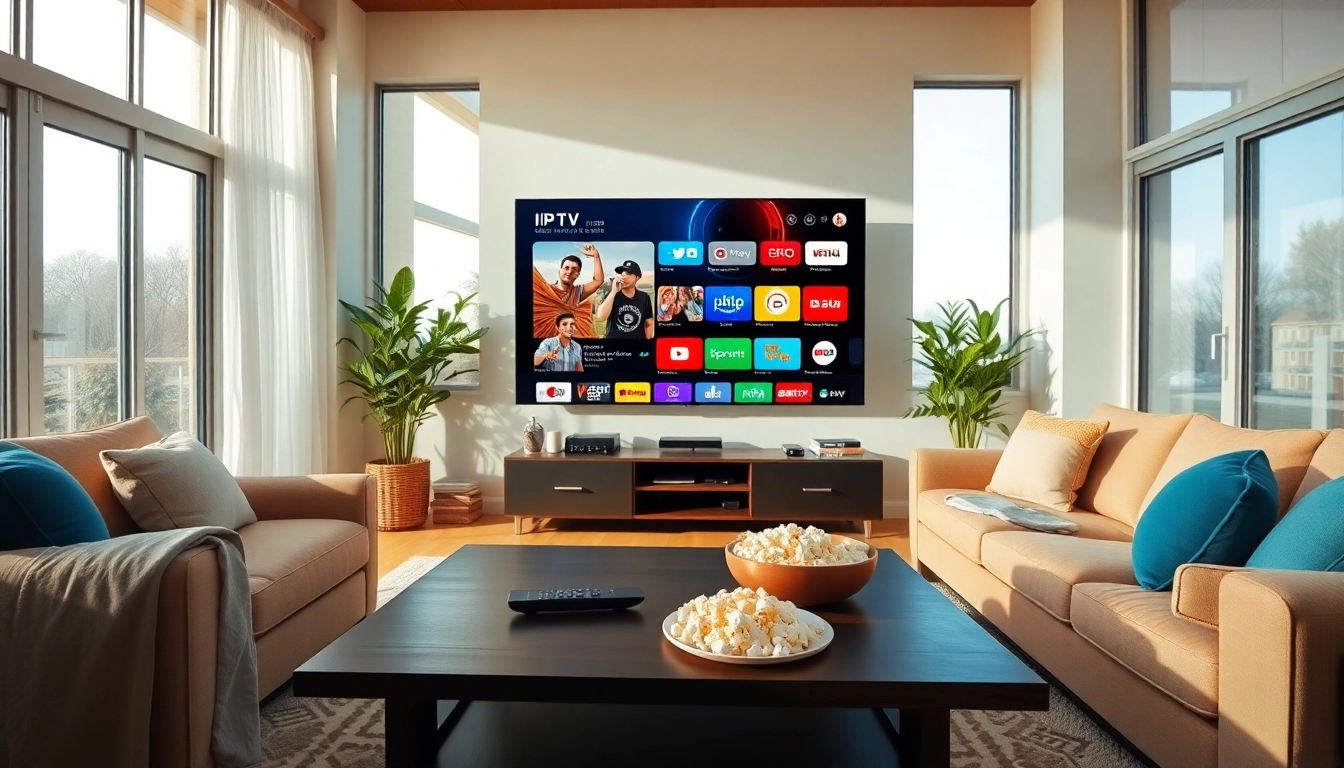
Internet Protocol Television (IPTV) is a technology that delivers television programming using the internet protocol suite instead of traditional terrestrial, satellite, or cable formats. Unlike standard cable packages, IPTV allows users to stream content directly from the internet, which offers a more flexible and personalized viewing experience. With IPTV, viewers can watch live television, access a library of on-demand content, and enjoy various interactive features.
How IPTV Works
IPTV works by converting television signals into data packets and sending them over the internet. This process begins with a user selecting a program on their device, which sends a request to the IPTV server over the internet. The server retrieves the requested content from its database or from a live feed and transmits it to the user’s device. This method creates a more efficient way to access content, with the flexibility to pause, rewind, or record shows as needed. Essentially, it transforms your Internet connection into a robust source of entertainment.
Benefits of Using IPTV
IPTV delivers a wealth of benefits to its users, including:
- Variety of Content: Users can enjoy an extensive selection of channels, movies, and shows from various genres.
- High-Quality Streaming: Many IPTV services offer HD and even 4K streaming options, providing excellent picture quality.
- On-Demand Viewing: Viewers can access a vast library of on-demand content to watch at their convenience.
- Interactive Features: Real-time content interaction, including video on demand, live TV, and the ability to pause or rewind content.
Key Features to Look for in an IPTV Provider in US
Channel Variety and Quality
One of the foremost considerations when selecting an IPTV provider is the variety and quality of channels offered. Ideal providers should cover a wide array of interests, including entertainment, news, sports, and niche programming. Additionally, the providers should focus on ensuring optimal picture quality, offering HD, and 4K streams whenever possible.
Reliability and Performance Metrics
Reliability is essential for enjoying seamless streaming. Users should assess the provider’s uptime and load times, as prolonged buffering can spoil the viewing experience. Investigating independent performance metrics, such as the average connection speed and listener ratings, can provide insights into the service's reliability over time.
Customer Support Services
Proficient customer support is crucial when issues arise. The best IPTV providers offer various support channels, including live chat, email, and phone support. It is essential to verify availability and response times, as timely assistance can significantly improve customer satisfaction.
Evaluating IPTV Providers: Step-by-Step Guide
Assessing Performance and Features
The evaluation process begins by examining the provider's performance metrics, such as loading speed, streaming quality, and the availability of features like DVR capabilities and catch-up TV. This will help prospective users determine whether the provider meets their specific needs and expectations.
Reading User Reviews and Feedback
Consumer reviews are invaluable in assessing the reliability and quality of service an IPTV provider offers. By exploring online forums and review sites, users can gather insights about the experiences of other subscribers, identifying potential red flags or positive features.
Comparing Subscription Prices and Plans
When considering an IPTV provider, it is beneficial to review various subscription packages. Pricing structures can vary considerably, so it is advisable to evaluate what features and content each plan includes, making informed decisions based on user needs and budget.
Common Challenges When Choosing an IPTV Provider in US
Identifying Legitimate Providers
The IPTV market has its fair share of legitimate operators and dubious services. Filtering through these options requires research. Prospective users should check third-party reviews, availability of customer support, and the provider’s licensing agreements to ensure legality.
Dealing with Service Interruptions
Service interruptions can happen for various reasons, from technical issues to network congestion. Recognizing a provider's approach to service reliability and understanding how they manage outages can help in determining the appropriateness of their service for long-term use.
Understanding Legal Compliance and Restrictions
IPTV services are legal in the United States as long as they possess appropriate licensing agreements. Users should familiarize themselves with the legal landscape of IPTV to avoid potential issues with unlicensed services. This awareness will help users access high-quality content responsibly.
Future Trends in IPTV Services
Technological Advancements in Streaming
As technology evolves, so too does the IPTV landscape. Expect advancements in streaming hardware and software that enhance user experiences. Cloud-based technologies will likely improve service scalability and reduce latency, resulting in even better picture quality and user interaction.
Shifts in Consumer Preferences
Consumer preferences are continually evolving as viewers move away from traditional cable. The demand for personalized content and flexible viewing options will drive IPTV providers to refine their offerings and invest in innovative solutions to keep pace with changing audience demands.
The Evolution of Live Streaming Services
Live streaming has gained traction in recent years, with more consumers favoring immediacy and accessibility. Providers need to adapt their streaming capacities and channel offerings to meet the demand for live events, ranging from sports to popular television events.
FAQs
1. What is IPTV? IPTV stands for Internet Protocol Television, allowing users to stream live TV channels and on-demand content over the internet.
2. Is IPTV legal in the US? Yes, IPTV is legal in the US as long as the provider has the necessary licensing agreements to distribute content.
3. How can I find a reliable IPTV provider in US? Look for providers with positive user reviews, a wide range of channels, and good customer support.
4. What devices can I use to access IPTV services? Most IPTV services can be accessed via smart TVs, computers, tablets, or dedicated streaming devices.
5. Are there free IPTV services available? While some free services exist, they often come with limited channels and lower quality; legitimate paid services are recommended for optimal viewing.
For those seeking a trustworthy iptv provider in US, this comprehensive guide serves as a valuable resource in navigating the complexities of IPTV subscriptions. Equipped with this knowledge, users can make informed decisions tailored to their viewing preferences.