Understanding Integrated Modular Systems
Integrated modular systems represent a transformative approach in various industries, particularly in environmental solutions such as water treatment. By combining distinct functional modules into cohesive frameworks, they offer enhanced operational efficiency and adaptability. These systems are not just a trend; they are crucial in addressing complex industrial challenges, including water scarcity and environmental sustainability. When exploring options, Integrated Modular Systems provide comprehensive insights into how to streamline processes and optimize resources effectively.
Defining Integrated Modular Systems in Water Treatment
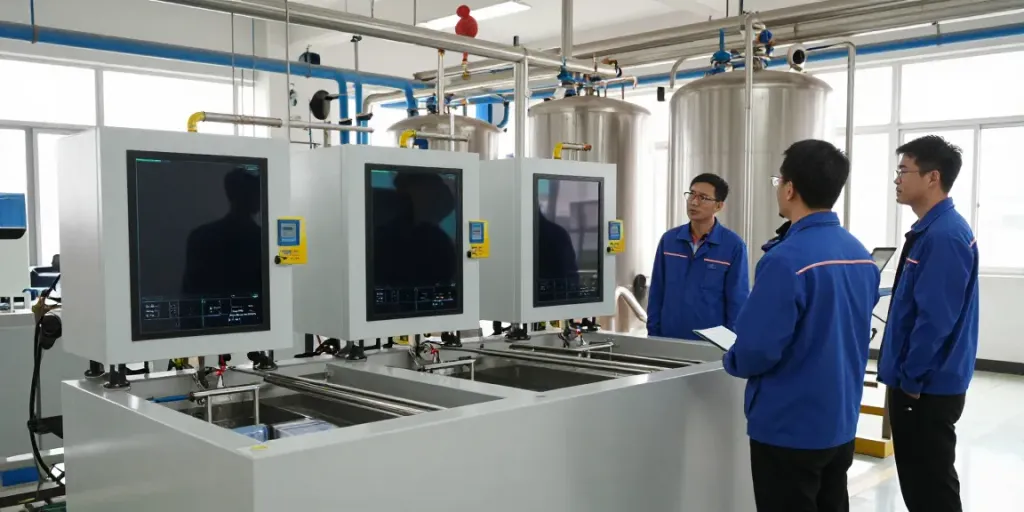
The term "integrated modular systems" refers to a collection of interrelated components designed to work together as a unified whole. In water treatment, these systems combine various technologies—such as filtration, chemical dosing, and sludge dewatering—into a single, efficient setup. This integration allows for real-time data monitoring, adaptive process control, and scalability, making them ideal for tackling diverse water challenges across different environments.
The Evolution of Modular Systems in Environmental Solutions
Historically, modular systems were largely seen in the construction sector as prefabricated units that could be quickly assembled. However, the evolution of technology and increasing environmental concerns have led to their adaptation in water treatment solutions. Today, these systems are more efficient and versatile than ever, leveraging advancements in materials science, automation, and IoT (Internet of Things) technologies to enhance performance and reliability.
Key Features of QILEE's Integrated Modular Systems
- Compact Design: QILEE’s integrated modular systems feature a compact structure that minimizes the footprint while maximizing functionality.
- Modular Components: The systems are made up of modular components that can be easily assembled, disassembled, or scaled based on operational needs.
- Advanced Automation: Incorporating automated control systems allows for real-time monitoring and adjustments, enhancing operational efficiency and minimizing human error.
- Environmental Compliance: These systems are designed to meet stringent environmental regulations, ensuring safety and sustainability in water treatment processes.
Core Benefits of Integrated Modular Systems
Enhanced Efficiency and Performance Metrics
One of the primary advantages of integrated modular systems in water treatment is their ability to enhance efficiency. By streamlining processes and eliminating unnecessary steps, these systems can significantly reduce operating costs and time. Performance metrics, such as water recovery rates and treatment times, often improve dramatically, leading to better resource management and lower energy consumption.
Cost-Effectiveness in Water Treatment Solutions
Investing in integrated modular systems can lead to substantial cost savings in the long run. The modular design allows for targeted investments—companies can scale their systems in alignment with demand instead of incurring high upfront costs for large, traditional systems. Additionally, lower maintenance requirements and reduced labor costs contribute to the economic advantages of adopting these systems.
Scalability and Flexibility for Diverse Applications
Another significant benefit is scalability. Integrated modular systems can easily adapt to changing needs, whether due to increased water demand or new treatment requirements. This flexibility is especially crucial in industries such as agriculture, manufacturing, and municipal services, where water quality and availability are paramount and can fluctuate widely.
Applications of QILEE's Integrated Modular Systems
Integrating Chemical Treatment Systems
In the realm of chemical treatment, QILEE’s integrated modular systems can efficiently manage various water treatment chemicals, ensuring optimal dosing and mixing. This integration can significantly enhance the effectiveness of coagulation, flocculation, and disinfection processes, thereby improving water quality and compliance with health standards.
Utilizing DAF Systems for Wastewater Management
The Dissolved Air Flotation (DAF) system is an innovative solution offered by QILEE that integrates chemical dosing and sludge dewatering. This system excels in treating wastewater laden with suspended solids and light flocs, providing a high-performance, compact solution that is both reliable and efficient.
Implementing Sludge Dewatering Solutions Effectively
Sludge management is a critical component of wastewater treatment. QILEE’s sludge dewatering modular systems are designed to handle varying sludge volumes while ensuring maximum efficiency. These solutions drastically reduce the volume of waste, thus lowering disposal costs and mitigating environmental impacts.
Common Challenges with Integrated Modular Systems
Addressing System Integration Issues
While integrated modular systems offer numerous benefits, they are not without challenges. One common issue is system integration, where different components may struggle to operate in harmony. Successful implementation requires thorough planning, expert knowledge, and robust testing to ensure all modules function seamlessly together.
Overcoming Regulatory Compliance Challenges
Another challenge faced by businesses adopting these systems is navigating regulatory compliance. The complexity of environmental laws can result in challenges that require proactive management and an understanding of local and international regulations regarding water treatment.
Managing Operational Downtimes
Operational downtimes, whether due to maintenance or system failures, can be costly for businesses. Thus, implementing a robust maintenance schedule and having contingency plans in place is essential for mitigating these risks and ensuring continuous operation.
Future Trends in Integrated Modular Systems
Emerging Technologies in Water Treatment Solutions
As we look towards 2026 and beyond, emerging technologies such as AI (artificial intelligence) and machine learning will likely play a significant role in enhancing the capabilities of integrated modular systems. These technologies can enable predictive maintenance, optimize treatment processes, and improve decision-making in real-time.
Sustainability Practices and Innovations
Sustainability will remain at the forefront of modular system development, with a growing emphasis on minimizing environmental footprints. This includes innovations in energy efficiency, water recycling, and the use of eco-friendly materials in system construction.
Predictions for 2026 and Beyond in Modular Systems
Looking ahead, the modular systems market is expected to grow significantly. Factors contributing to this growth include an increasing focus on sustainability in industrial practices, rising water scarcity, and the need for cost-effective, flexible solutions in water treatment. Industries that adopt these systems early may gain a competitive edge in a rapidly evolving marketplace.
What are the main benefits of Integrated Modular Systems?
The benefits of integrated modular systems are manifold, encompassing enhanced efficiency, cost-effectiveness, scalability, and adaptability to various environmental conditions. These systems allow businesses to respond to changing demands while maintaining high performance and compliance with industry standards.
How do Integrated Modular Systems compare to traditional systems?
Compared to traditional systems, integrated modular systems provide greater flexibility in scaling operations, are generally more cost-effective, and integrate advanced technologies for improved efficiency. They also tend to occupy a smaller footprint while delivering superior performance.
What industries benefit most from modular water treatment solutions?
Industries such as agriculture, pharmaceuticals, manufacturing, and municipal services benefit significantly from modular water treatment solutions. These sectors often face unique water challenges that require tailored, efficient solutions that can be scaled as needed.
What challenges should businesses be aware of when adopting these systems?
Businesses must be aware of potential integration issues, compliance challenges, and the need for effective maintenance strategies when adopting integrated modular systems. Thorough planning and expert consultation can help mitigate these risks.
How can Integrated Modular Systems improve operational efficiency?
By consolidating multiple functions into a single framework, integrated modular systems streamline processes, reduce redundancies, and improve data flow. This can result in significant increases in operational efficiency and reductions in labor and maintenance costs.