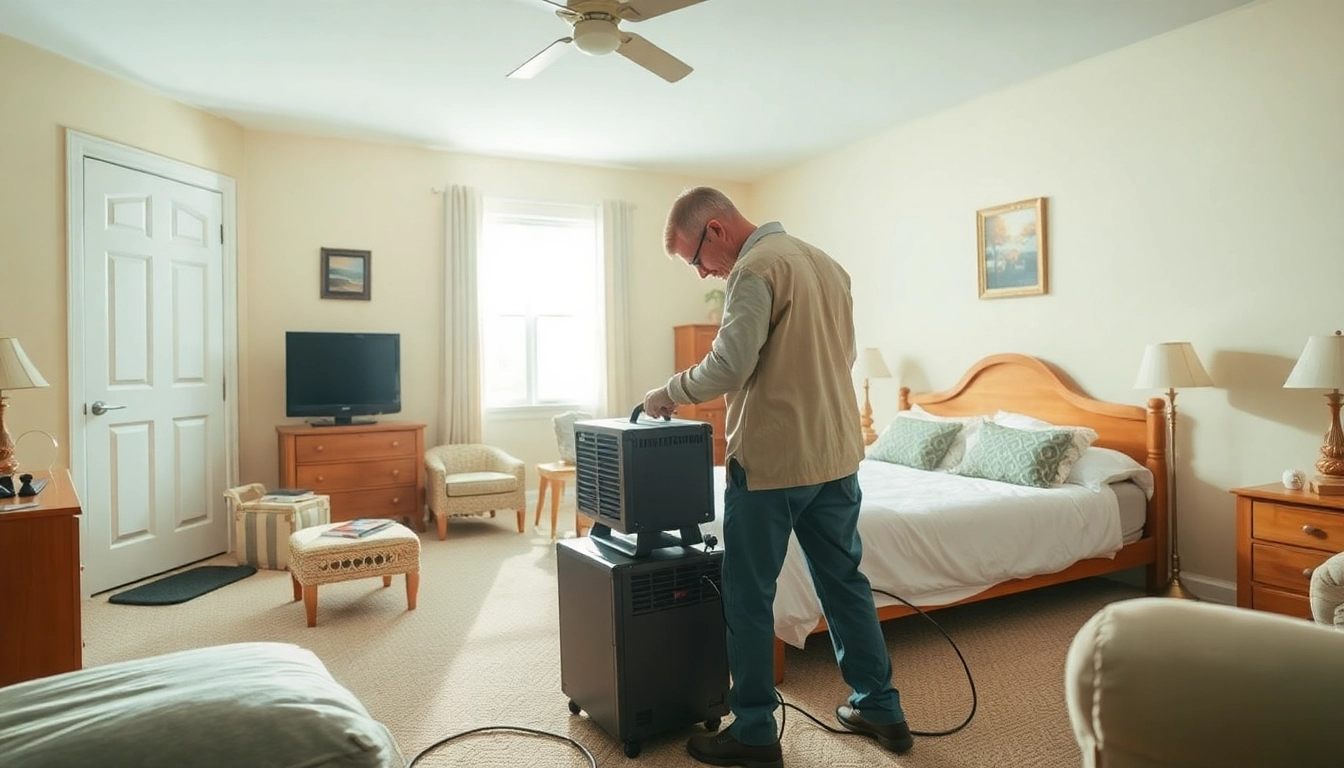
Understanding Bed Bugs and Their Behavior
What Are Bed Bugs?
Bed bugs are small, parasitic insects belonging to the Cimex family. They feed on the blood of humans and animals, primarily during the night. Adult bed bugs are about the size of an apple seed and have a reddish-brown color. They are adept at hiding in small crevices and are most commonly found in beds, mattresses, furniture, and even personal belongings, making them a nuisance and a challenging pest to eradicate.
Bed Bug Life Cycle
Understanding the life cycle of bed bugs is critical for effective management. Bed bugs go through several stages: egg, nymph, and adult. A female bed bug can lay up to 200-500 eggs in her lifetime, which are tiny and can be found in cracks and crevices. Once hatched, the nymphs molt several times before reaching maturity. This cycle can occur within a few weeks under optimal conditions, leading to rapid population growth. This fast reproduction is why timely intervention, such as bed bug heat treatment, is necessary.
Signs of a Bed Bug Infestation
Identifying a bed bug infestation early is key to effective management. Common signs include:
- Itchy, red welts or bites on the skin, often in a linear pattern.
- Dark spots on bedding or upholstery, which are fecal stains.
- Molted skin and eggshells, which indicate the presence of multiple life stages.
- A musty, sweet odor in the infested area.
If you notice these signs, it could be time to consider treatments.
The Science Behind Bed Bug Heat Treatment
How Heat Kills Bed Bugs
Heat treatment is a scientifically-backed method for killing bed bugs. The treatment involves elevating the ambient temperature in the affected area to a level lethal to bed bugs, typically around 118°F (48°C). At these temperatures, bed bugs, including their eggs, cannot survive. The heat disrupts their physiological processes and ultimately leads to death, making it a preferable choice over chemical treatments, particularly in environments that require pest management without residual chemicals.
Benefits of Bed Bug Heat Treatment
There are several advantages to using heat treatment for bed bugs:
- Non-Toxic: Heat treatment does not rely on chemical pesticides, making it safer for children, pets, and the environment.
- Comprehensive: It kills bed bugs at all life stages, including eggs, providing a thorough eradication.
- Fast Results: Many heat treatments can be completed within hours, allowing for quick recovery and minimal disruption.
- Minimal Cleanup: Heat treatment often results in less mess compared to chemical options, as there are no chemical residues to clean up.
Temperature Requirements for Effectiveness
For heat treatments to be effective, temperatures must be maintained at a minimum of 118°F (48°C) for at least 90 minutes. However, many professionals recommend reaching temperatures up to 135°F (57°C) to ensure thorough elimination. Proper monitoring of temperature is crucial to ensure that every infested area reaches the required heat threshold.
Preparing for a Bed Bug Heat Treatment
Steps to Prepare Your Home
Proper preparation is essential for a successful bed bug heat treatment. Here are the recommended steps:
- Clear the Area: Remove all personal belongings from the treatment area, including clothing, toys, and bedding.
- Wash and Dry Fabrics: Launder all clothing and bedding in hot water and dry on the highest setting to kill any bed bugs or eggs.
- Elevate Furniture: Move furniture away from walls and elevate it if possible. This allows for better heat circulation.
- Inform Professionals: Alert your pest control service about any special conditions or areas of concern.
What to Expect During the Treatment
During the heat treatment process, you will notice an array of equipment such as heaters, fans, and temperature sensors in use. The technicians will set up these devices to create a uniform temperature across the treatment area. The process typically lasts several hours, depending on the size of the area and the severity of the infestation. Occupants are usually required to stay out of the home during this time for safety and efficacy.
Aftercare and Follow-Up
After the treatment, it's important to follow specific guidelines to ensure the continued success of the heat treatment:
- Do Not Re-enter Premises: Allow at least 6 hours before re-entering the space after treatment to ensure complete cooling.
- Monitor for Residual Activity: Keep an eye out for any returning signs of bed bugs in the following weeks.
- Schedule Follow-ups: Follow-up appointments may be necessary to check the effectiveness of the treatment.
DIY Bed Bug Heat Treatment Solutions
Safe Equipment for At-Home Treatment
While hiring professionals is often the most effective method, some individuals may opt to try DIY solutions. If you pursue this route, consider equipment such as:
- Portable Heaters: High-quality portable heaters can generate sufficient heat if used correctly.
- Thermal Blankets: These can be placed on affected furniture to trap heat and elevate temperatures.
Common Mistakes to Avoid
When attempting a DIY bed bug heat treatment, avoid these common pitfalls:
- Inadequate Heating: Failing to reach or maintain the appropriate temperature can lead to incomplete eradication.
- Neglecting Safety Precautions: Always monitor equipment for overheating and ensure safe operation to avoid fire hazards.
When to Call a Professional
If the infestation persists or if the DIY methods do not yield results, it’s advisable to seek professional help. Situations that typically warrant professional intervention include:
- A high level of infestation that is challenging to manage independently.
- Concerns regarding safety and proper equipment handling.
FAQs about Bed Bug Heat Treatment
How long does bed bug heat treatment take?
Typically, bed bug heat treatment takes between 6 to 8 hours, depending on the severity of the infestation and the size of the affected area.
Is bed bug heat treatment safe for kids and pets?
Yes, bed bug heat treatment is non-toxic, making it safe for children and pets once the treated area has cooled down and been properly ventilated.
Can I do a bed bug heat treatment myself?
While DIY options exist, they may not achieve the same level of effectiveness as professional treatments due to equipment limitations and temperature control challenges.
What should I do after treatment?
After the heat treatment, wash and dry all linens, monitor for signs of activity, and follow up with pest control as needed.
What are the costs associated with professional treatment?
Costs can vary widely based on the severity of the infestation and the size of the area but typically range from $500 to $1,500 for complete treatments.