Understanding Pet Product Contract Packaging
What is Pet Product Contract Packaging?
Pet product contract packaging is a specialized service where a company outsources the packaging process of its pet-related products to a third-party provider. This relationship allows brands to leverage the expertise, technology, and efficiencies of established packaging companies, ultimately enhancing their product presentation while focusing on their core operations. By utilizing pet product contract packaging, brands can ensure their products are packaged securely and appealingly, thereby attracting consumers in a crowded market.
The Benefits of Choosing Contract Packaging
Choosing contract packaging for pet products comes with numerous advantages:
- Expertise: Specialized packaging firms bring a wealth of knowledge in material selection and design tailored for pet products.
- Cost Efficiency: Companies can save on labor, operational expenses, and equipment costs by outsourcing.
- Scalability: Contract packagers offer flexibility to adjust production volumes based on demand.
- Focus on Core Activities: Outsourcing packaging allows brands to concentrate on product development and marketing.
- Quality Assurance: Established packaging partners ensure adherence to industry standards and regulations for safety and quality.
Key Components of Effective Packaging
Effective packaging is not solely about aesthetics; it encompasses several key components:
- Protection: Packaging must safeguard pet products from damage, contamination, and spoilage.
- Convenience: Consider the end consumer's experience, allowing easy opening and resealing.
- Brand Identity: Packaging should communicate the brand's message and values, resonating with target consumers.
- Information: Labeling must comply with regulatory requirements while also providing essential details like feeding instructions and ingredients.
Types of Packaging for Pet Products
Flexible Packaging Options
Flexible packaging is a popular choice in the pet product industry, offering versatility and modern appeal. Options include:
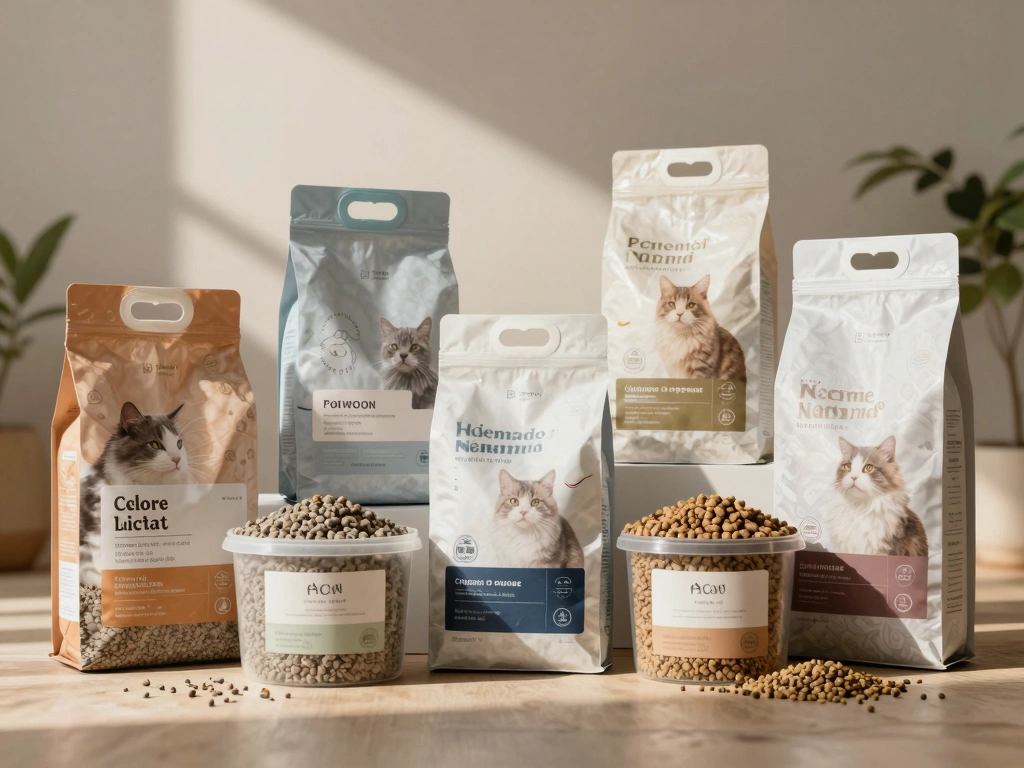
- Pouches: Stand-up pouches allow for efficient storage and are resealable, making them convenient for pet owners.
- Films: Laminated films can preserve freshness and are often used for both dry and wet pet foods.
- Wraps: Shrink wraps provide a tamper-proof seal, enhancing product security.
Bulk and Wholesale Packaging Solutions
For businesses focused on distribution, bulk packaging solutions are economical and effective. This approach includes:
- Drums and Totes: Ideal for large quantities of pet food or treats, these allow for easy transport and minimize waste.
- Bulk Bags: These are effective for pet products sold to retailers and wholesalers, ensuring easy handling and storage.
Eco-Friendly Packaging Materials
With rising consumer awareness around sustainability, eco-friendly packaging materials are increasingly in demand. Options include:
- Biodegradable Materials: These materials break down naturally, minimizing environmental impact.
- Recyclable Packaging: Encouraging consumers to recycle can enhance a brand's sustainability profile.
- Compostable Solutions: Ideal for organic pet products, these materials return to the earth, enriching soil.
Choosing the Right Contract Packaging Partner
Evaluating Packaging Capabilities
Selecting the right contract packaging partner requires thorough evaluation:
- Technology: Assess the packaging technology available to ensure it meets modern standards.
- Experience: Look for a partner with a proven track record in pet product packaging.
- Customization: The ability to provide tailored packaging solutions can differentiate your brand.
Quality Assurance in Pet Product Packaging
Quality assurance is paramount in contract packaging for pet products. Consider the following measures:
- Certifications: Ensure the partner has relevant industry certifications, such as food safety standards.
- Regular Audits: Schedule audits to verify compliance with quality and safety protocols.
- Testing: Implement rigorous testing procedures for materials and finished products.
Cost Considerations and Budgeting
Understanding the costs associated with contract packaging is essential for effective budgeting:
- Material Costs: Evaluate the costs of various packaging materials and their impact on overall budgets.
- Labor Costs: Consider the pricing structure of outsourcing labor versus in-house production.
- Setup Fees: Be aware that some providers might charge initial setup fees for customized services.
Best Practices for Pet Product Packaging
Designing Eye-Catching Packaging
Effective packaging design grabs consumer attention and conveys brand identity. To create compelling designs:
- Visual Appeal: Use striking colors and imagery that resonate with pet owners.
- Clear Messaging: Communicate product benefits and brand values clearly.
- Brand Consistency: Ensure design elements align with overall branding strategies.
Compliance and Safety Regulations
Compliance with safety regulations is crucial for securing consumer trust and ensuring product safety. Follow these best practices:
- Labeling Laws: Familiarize yourself with FDA regulations regarding pet food labeling.
- Ingredient Safety: Ensure all ingredients and materials are sourced from reputable suppliers.
- Product Testing: Conduct regular assessments to verify safety and compliance.
Maximizing Shelf Life with Packaging
Packaging plays a crucial role in extending the shelf life of pet products. To optimize this:
- Barrier Properties: Utilize packaging that protects against moisture, oxygen, and light.
- Temperature Control: Consider thermal packaging solutions for sensitive products.
- Expiration Monitoring: Implement systems to track product freshness and shelf life.
Future Trends in Pet Product Contract Packaging
Innovations in Sustainable Packaging
The future of pet product packaging is increasingly focused on sustainability. Innovations to watch for include:
- Smart Packaging: Incorporating technology that helps consumers track freshness or ingredient sourcing.
- Edible Packaging: Exploring materials that pets can consume alongside their food.
- Minimalist Designs: Shifting towards less material use while maintaining functionality.
Technology Integrations in Packaging Processes
Advanced technologies are shaping the future of packaging processes. Key trends include:
- Automation: Streamlining operations through robotics and advanced machinery.
- Data Analytics: Utilizing data to optimize packaging designs and production schedules.
- 3D Printing: Creating prototypes and customized packaging solutions faster than before.
Consumer Preferences and Market Research
Understanding consumer preferences is essential for successful packaging strategies. Brands should consider:
- Feedback Mechanisms: Implementing systems for consumer feedback on packaging.
- Market Trends: Staying updated on trends such as organic ingredients and sustainability demands.
- Focus Groups: Conducting session with pet owners to gauge packaging effectiveness and appeal.
FAQs
What is contract packaging?
Contract packaging involves outsourcing the packaging of products to a specialized company, ensuring quality and efficiency.
Why choose contract packaging for pet products?
It provides expertise, reduces costs, and increases production efficiency while allowing brands to focus on core activities.
What sustainable options exist in pet product packaging?
Brands can opt for biodegradable, recyclable, or compostable materials to minimize environmental impact.
How does packaging affect shelf life?
Effective packaging protects products from contamination, moisture, and air, significantly extending shelf life.
What are the costs associated with contract packaging?
Costs vary widely based on materials, design, and production volume, but generally, it offers significant savings on labor and materials.