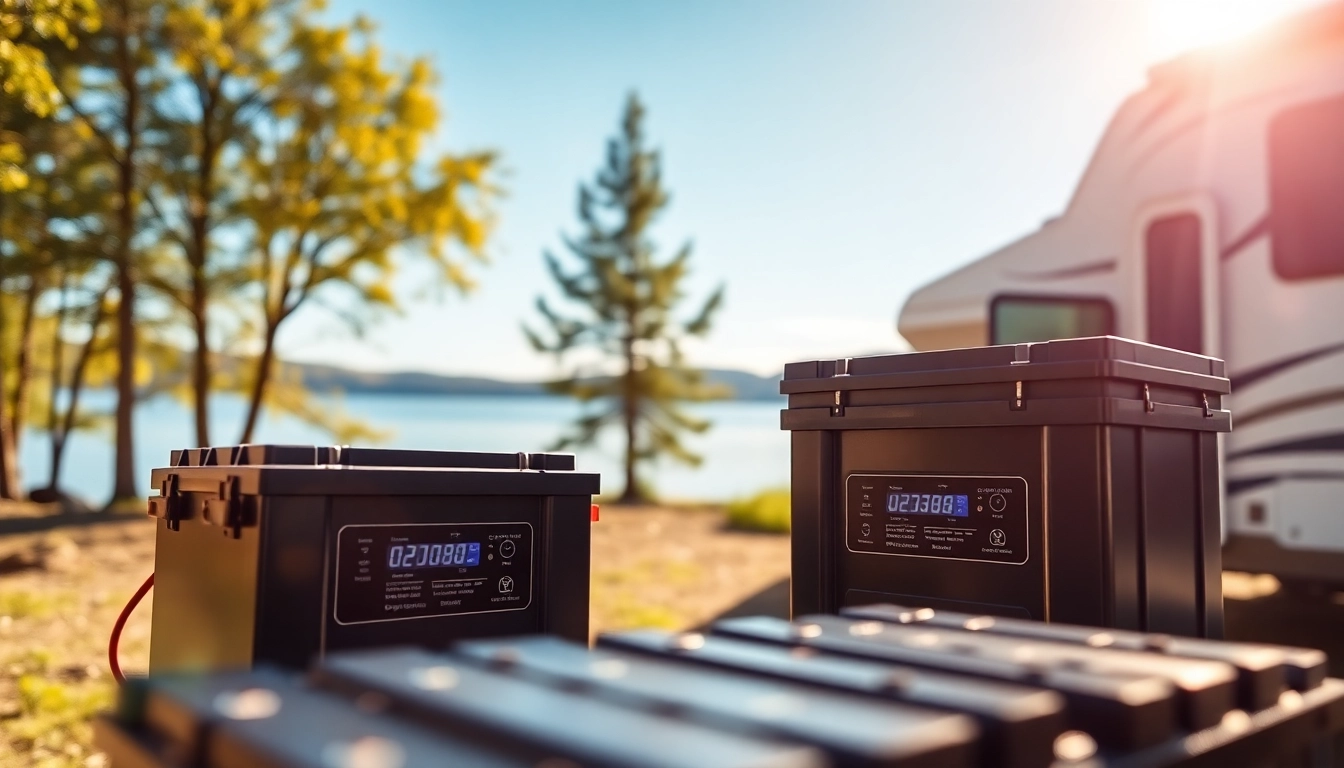
Understanding Lithium RV Batteries
As RV enthusiasts search for reliable power solutions, lithium RV batteries have gained considerable attention for their exceptional performance and longevity. These innovative batteries differ significantly from traditional lead-acid options, providing unique benefits that enhance the overall RV experience. In this comprehensive guide, we will explore everything you need to know about lithium RV batteries, from basic understanding to maintenance and upgrading.
What Are Lithium RV Batteries?
Lithium RV batteries are advanced energy storage systems that utilize lithium-ion technology, renowned for their high energy density and ability to deliver consistent power. Unlike lead-acid batteries that depend on liquid electrolytes, lithium batteries employ a solid or gel-based electrolyte, markedly improving safety and efficiency. This construction enables them to charge faster, discharge deeper, and last significantly longer, making them ideal for RV use.
Benefits of Lithium RV Batteries Over Traditional Options
When comparing lithium RV batteries to traditional lead-acid batteries, several advantages surface:
- Longer Lifespan: Lithium batteries often last 10 to 15 years, whereas lead-acid batteries typically last just 3 to 5 years.
- Higher Energy Density: Lithium batteries pack more energy in a smaller and lighter package, which can save valuable space in your RV.
- Faster Charging: These batteries can charge up to five times faster than their lead-acid counterparts, reducing downtime significantly.
- Deeper Discharge: Lithium batteries can safely discharge up to 80-90% of their capacity, giving users greater usable energy compared to the 50% typically recommended for lead-acid batteries.
- Thermal Management: With a better temperature tolerance, lithium batteries can operate efficiently in extreme conditions.
Key Features of Lithium RV Batteries
Key features that make Vatrer Power lithium RV batteries stand out include:
- Built-in Battery Management System (BMS): This system protects against overcharging, overheating, and short circuits, enhancing safety.
- Lightweight: Lithium batteries weigh considerably less than lead-acid Batteries, facilitating easier installation and better fuel efficiency.
- Self-Discharge Rate: Lithium batteries have a lower self-discharge rate, ensuring readiness for use when you need it most.
- Eco-Friendly: Made from recyclable materials, they are a greener alternative to traditional batteries.
Selecting the Right Lithium RV Batteries
Types of Lithium RV Batteries Available
Several types of lithium RV batteries are available in the market, each designed for specific applications:
- Lithium Iron Phosphate (LiFePO4): This type is preferred for RVs due to its stability, safety, and long cycle life.
- Lithium Nickel Manganese Cobalt (NMC): Offering high energy density, NMC batteries are suitable for high-drain applications but are less common in RVs.
- Lithium Cobalt Oxide (LCO): While mainly used in electronics, they are less suitable for RV applications due to thermal stability concerns.
Factors to Consider When Choosing Lithium RV Batteries
Choosing the right lithium RV battery involves evaluating several factors:
- Capacity: Measured in amp-hours (Ah), this indicates how much charge the battery can hold, dictating how long it can power your devices.
- Discharge Rate: Consider how quickly you need to draw power. Higher discharge rates are essential for appliances that require more energy.
- Weight: Ensure the battery aligns with your RV’s weight limits and balances well with other components.
- Warranty: A longer warranty often indicates confidence in the battery’s longevity and performance.
Understanding Capacity Ratings of Lithium RV Batteries
Capacity ratings for lithium RV batteries typically reflect their total energy storage capabilities. Understanding Ah ratings is crucial as it helps you determine how long a battery will last based on your power consumption. For instance, a 100Ah battery can provide 100 amps for one hour or 50 amps for two hours. It's essential to evaluate your RV’s electrical demands to choose a battery with an adequate capacity that meets your needs without overloading.
Installing Lithium RV Batteries
Preparing for Installation of Lithium RV Batteries
Preparation is key for a successful lithium RV battery installation. Here are steps to ensure you're ready:
- Gather Tools: Required tools include wrenches, pliers, a voltmeter, and wire connectors.
- Check Compatibility: Ensure your RV’s electrical system is compatible with lithium batteries, which may require replacing components.
- Select a Location: Choose a well-ventilated, easily accessible area for battery installation, minimizing temperature impacts.
Step-by-Step Installation Guide
Here’s a simple installation guide for lithium RV batteries:
- Disconnect Power: Safely disconnect your RV’s power source to prevent shocks.
- Remove Old Batteries: Carefully remove any existing batteries from their casings.
- Install New Battery: Place the lithium battery in the selected location, ensuring it's secure.
- Connect Wiring: Attach the positive and negative terminals according to color coding (red for positive, black for negative).
- Test Connections: Use a voltmeter to check the system voltage to ensure proper installation.
- Reconnect Power: Turn on the power supply and monitor the battery status.
Safety Precautions During Installation
To ensure safety during installation:
- Wear gloves and eye protection to guard against accidental sparks or acid spills.
- Do not work in confined spaces where ventilation might be limited.
- Follow manufacturer guidelines regarding installation and handling.
Maintaining Lithium RV Batteries
Best Practices for Battery Care
Proper maintenance of lithium RV batteries can vastly improve their lifespan and performance. Best practices include:
- Regular Checks: Inspect connections and terminals for corrosion or loose wiring.
- Monitor Charge Levels: Use a battery management system to keep track of charge and discharge levels.
- Avoid Over-Discharge: Ensure not to discharge the battery below its recommended levels to prevent damage.
Diagnosing Common Issues with Lithium RV Batteries
Common issues with lithium RV batteries may include:
- Error Codes: Check the battery management system for error codes indicating problems.
- Overheating: If the battery heats up excessively, it may indicate issues with the BMS or incompatibilities with the RV.
- Back Voltage: If the battery voltage appears low, further tests should be conducted to assess health and functionality.
Extending the Life of Your Lithium RV Batteries
To maximize the lifespan of your lithium RV batteries, consider these tips:
- Keep them charged, especially during long periods of inactivity.
- Store in a cool, dry place away from direct sunlight or moisture.
- Regularly cycle the battery to maintain optimum health and prevent issues.
Upgrading to Lithium RV Batteries
Signs That It's Time to Upgrade
Knowing when to upgrade to lithium RV batteries can significantly impact your travel experience. Signs include:
- Frequent issues with power loss during trips.
- You often experience long charging times.
- Your current batteries require frequent replacements.
Cost-Benefit Analysis of Upgrading to Lithium RV Batteries
Although the initial cost of lithium RV batteries may be higher, their long lifespan and reduced maintenance costs can yield significant savings over time. By analyzing the total cost of ownership, including battery replacements, maintenance, and energy efficiency, many users find upgrading to lithium batteries is a cost-effective choice in the long run.
Real-Life Experiences: Users Share Their Upgrades
Numerous RV enthusiasts have shared positive experiences after upgrading to lithium RV batteries. Users report enhanced reliability, less weight burden, and improved capacity during off-grid adventures. These firsthand accounts highlight the overall satisfaction derived from making the switch.
FAQs about Lithium RV Batteries
Are lithium batteries worth it for an RV?
Yes! Lithium RV batteries provide a longer lifespan and higher usable capacity, making them a cost-effective solution for frequent travelers seeking reliable power.
How long do lithium RV batteries last?
Lithium RV batteries generally last between 10 to 15 years, far outpacing traditional lead-acid options and resulting in fewer replacements over time.
Can I install lithium RV batteries myself?
Yes, if you possess basic tools and follow manufacturer's guidelines, you can safely install lithium RV batteries without professional help.
How do I know the right capacity for my RV's needs?
Calculate power requirements based on your appliances and usage frequency. Consult a professional when uncertain to ensure optimal battery size and capacity.
Are there any safety concerns with lithium RV batteries?
While generally safe, monitoring for overheating and ensuring proper installation is essential to minimize risks associated with 12V 300Ah Lithium Battery.