Understanding Body Camera Footage in DUI Cases
In recent years, the use of body cameras by law enforcement has transformed how DUI cases are handled in Georgia. Body cameras provide a firsthand account of interactions between officers and individuals facing DUI charges, making them an invaluable asset in legal defense strategies. Understanding the implications of this footage is essential for defendants, attorneys, and the legal system as a whole. When exploring options, body camera of DUI Cherokee County GA provides comprehensive insights into how this technology impacts defense cases.
Importance of Body Camera Evidence in Georgia
Body camera footage is crucial in DUI cases because it captures real-time events that can serve as compelling evidence in court. This visual documentation can highlight the behavior of both the officer and the suspect, providing clarity in cases where there is a dispute about the circumstances leading to the arrest. Furthermore, footage can reveal whether proper protocols were followed during the DUI stop and arrest, thereby affecting the case's outcome.
How Body Cameras Impact DUI Defense Strategies
Defense strategies significantly benefit from body camera footage, as it allows attorneys to analyze specific details that may mitigate their client’s charges. For instance, recorded visuals may demonstrate a lack of probable cause for the stop, improper administration of sobriety tests, or even the defendant's composure and behavior at the time of arrest. Such evidence can prove essential in negotiating plea deals or contesting charges altogether.
Common Misconceptions About Body Camera Footage
Many individuals assume that body camera footage is always favorable to the prosecution; however, this is not necessarily the case. There are numerous instances where footage has exonerated defendants by providing context that contradicts police claims. Additionally, concerns about the reliability and management of body camera footage, such as missing or poorly recorded footage, can also affect its admissibility in court.
Legal Implications of Body Camera Evidence
The legal landscape surrounding body camera evidence is continually evolving, and understanding its implications is crucial for both defense attorneys and clients. These implications can encompass issues of privacy, consent, and the protocol for handling footage.
Body Camera Regulations in Georgia
In Georgia, body camera usage is governed by specific laws and policies designed to protect the rights of citizens while ensuring transparency in law enforcement. Officers are typically required to activate their cameras during traffic stops and other enforcement activities, although there are certain exceptions. Understanding these regulations helps attorneys navigate the legal framework regarding body camera evidence effectively.
How Body Camera Footage is Used in Court
Body camera footage can be introduced as evidence in DUI trials, providing a visual representation of the arrest process. The footage is typically scrutinized to assess its relevance and reliability. Judges may consider factors such as whether the footage was recorded properly, whether the camera was activated appropriately, and if the context of the footage aligns with the claims made by either party.
Potential Challenges in Admissibility of Footage
The admissibility of body camera footage can be challenged on several grounds. Defense attorneys may argue that the footage is biased, incomplete, or improperly recorded, thereby questioning its credibility. Additionally, if law enforcement fails to follow required protocols, this may further affect the footage's admissibility.
Analyzing Body Camera Footage for Effective Defense
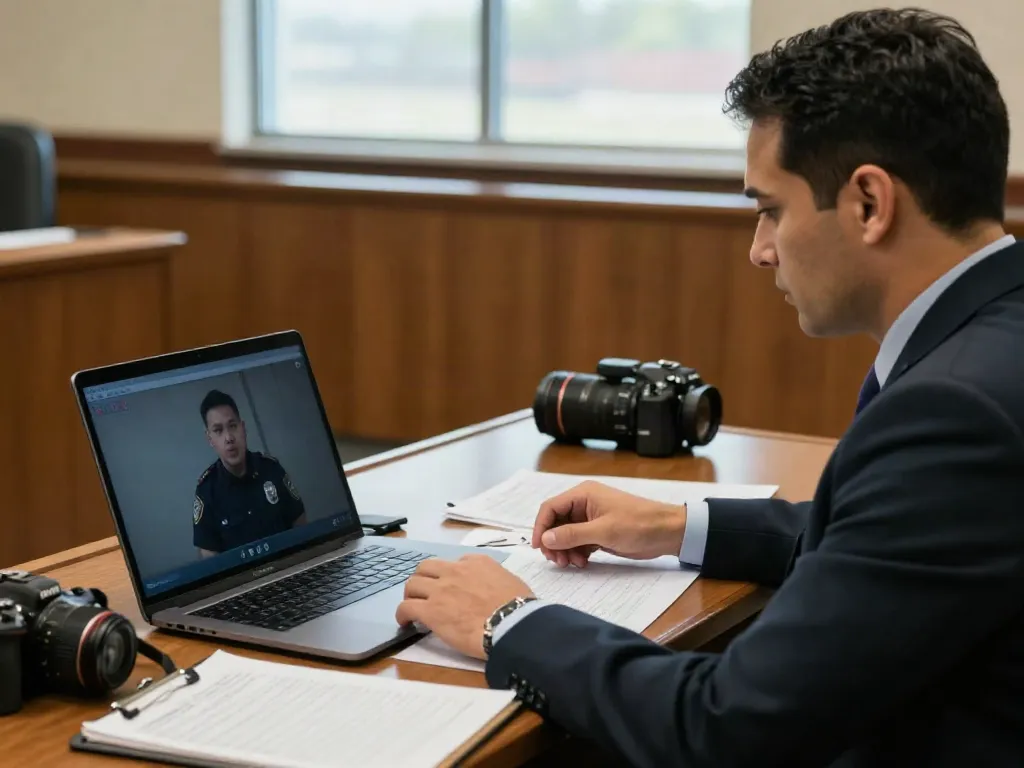
Analyzing body camera footage is an integral part of developing a robust defense in DUI cases. Defense attorneys must know what to look for in the footage to identify potential weaknesses in the prosecution's case.
Key Elements to Look for in Body Camera Footage
When examining body camera footage, several crucial elements should be scrutinized, including:
- Clear indication of actions taken by the officer during the stop
- Behavior and demeanor of the suspect, including any signs of intoxication
- Execution and accuracy of field sobriety tests
- Any relevant statements made by the suspect or officer that could impact the case
Building a Defense Based on Recorded Evidence
Effective defense strategies can be constructed from key insights gained through body camera footage. For example, if the footage reveals a lack of probable cause for the stop, this can form the basis of a motion to suppress evidence. Similarly, it can highlight procedural errors that could lead to case dismissal or a favorable plea agreement.
Real-World Examples of Body Camera Footage Affecting Outcomes
There are numerous real-world cases where body camera footage has substantially influenced the legal outcome. In one notable case, footage showed that a suspect, accused of DUI, was not acting erratically as claimed by the arresting officer. This evidence led to the charges being dismissed, showcasing how crucial body camera footage can be in a defendant's favor.
Best Practices for Legal Professionals
For attorneys handling DUI cases, understanding the best practices related to body camera footage is essential for building a solid defense. Here are some strategies to consider:
Steps to Take When Receiving Body Camera Evidence
Upon receiving body camera footage, attorneys should promptly review it for crucial details that may have been overlooked. This should include establishing a timeline of events and identifying any discrepancies in the officer's report. Early analysis can also aid in formulating potential legal arguments for the defense.
Effective Communication with Clients About Footage
It is vital for attorneys to communicate clearly with their clients regarding the implications of body camera footage. Clients should be informed about how such footage might impact their case, what elements to look for, and how to prepare for court proceedings. Transparency helps build trust and ensures clients feel informed throughout the process.
Utilizing Footage in Your Legal Strategy
Incorporating body camera footage into your legal strategy can provide a significant advantage. Use the footage to formulate arguments for pre-trial motions, prepare for cross-examinations, and develop a compelling narrative for the jury. Emphasizing the key aspects of the footage in your arguments can help sway the courtroom in your favor.
Future Trends in Body Camera Usage in DUI Cases
The intersection of technology and law is a rapidly evolving landscape. As advancements continue, the role of body camera footage in DUI cases is likely to become even more pivotal.
Advancements in Body Camera Technology
Future advancements in body camera technology may enhance image quality, extend battery life, and introduce automatic activation features. These improvements will enable law enforcement officers to provide clearer and more reliable evidence in DUI cases, potentially leading to more just outcomes.
Legislative Changes Impacting Body Camera Policies
As societal demands for transparency in law enforcement grow, legislative changes may affect how body camera footage is utilized within the legal system. New laws may establish clearer guidelines for recording, storing, and releasing footage, impacting both defense strategies and court proceedings.
Predictions for Body Camera Evidence in 2026
Looking ahead to 2026, we can anticipate that body camera footage will play a more significant role in DUI cases. Increased public scrutiny and advancing technology will likely lead to more comprehensive analyses of footage, resulting in higher standards of accountability for law enforcement. Additionally, as more individuals become aware of their rights regarding body camera footage, the dynamics of DUI defense strategies may shift accordingly.
What are the implications of the body camera footage?
The implications are profound, influencing not only defense strategies but also public perceptions of law enforcement practices. Body cameras can enhance transparency and accountability, ultimately shaping the outcomes of DUI cases across Georgia.
How can I challenge body camera evidence in DUI cases?
Challenging body camera evidence involves scrutinizing its authenticity, assessing compliance with legal protocols, and identifying any potential biases in how the footage was recorded or presented. Effective legal representation is necessary to navigate these challenges successfully.
What should I do if the footage is missing or incomplete?
If body camera footage is missing or incomplete, this can serve as a critical element in a defense strategy. Attorneys should immediately request a thorough investigation into the circumstances surrounding the missing footage, which could potentially lead to case dismissal based on procedural errors.
What are the recent changes in DUI laws in Georgia?
Staying updated on recent changes to DUI laws in Georgia is vital for legal professionals and defendants alike. These changes can significantly influence defense strategies, penalties, and overall case handling. Keeping abreast of legislative updates can provide a competitive edge in legal proceedings.
How does body camera footage affect plea bargains?
Body camera footage can heavily influence plea bargain negotiations. When favorable evidence is gleaned from the footage, it may encourage prosecutors to offer more lenient plea deals, thereby benefiting the defendant. Conversely, unfavorable footage might pressure defendants into accepting less favorable terms to avoid higher penalties if the case goes to trial.