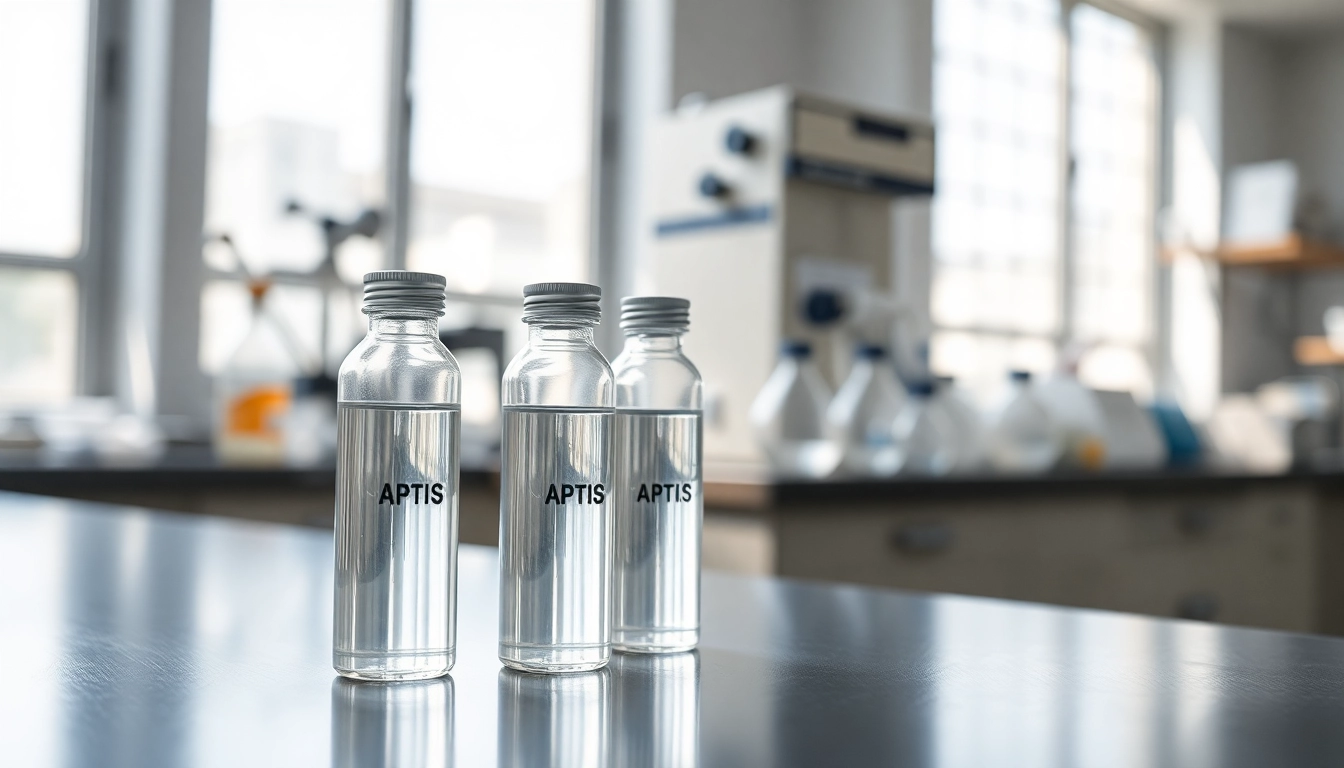
The Science of Peptides
Peptides are short chains of amino acids linked by peptide bonds and represent fundamental building blocks that participate in various biological processes. Their significance has surged in the fields of biochemistry and pharmacology, largely due to their role in cell signaling, immune response, and the maintenance of homeostasis. This article delves deeper into the science of peptides, particularly focusing on the glutathione peptide, exploring their functions, clinical applications, and future prospects.
What Are Research Peptides?
Research peptides are specific sequences of amino acids employed in scientific studies and therapeutic development. These peptides are synthesized to explore their biological activities and potential effects on health, providing insights into cellular functions and disease mechanisms. In essence, they serve as crucial tools in understanding molecular biology and developing innovative treatment methods.
How Peptides Interact with Cells
Peptides interact with cells by binding to specific receptors on the cell membrane. This binding action initiates a cascade of biological signals that can influence cell growth, metabolism, and apoptosis. Peptides, including hormones like insulin and neurotransmitters, play an essential role in cellular communication, helping to regulate physiological functions. Their ability to specifically target receptor sites enhances their efficacy in medical applications.
Types of Peptides Used in Research
There are various types of peptides used in research, including signaling peptides, antimicrobial peptides, and peptide hormones. Signaling peptides are integral in cell communication, while antimicrobial peptides have substantial potential as therapeutic agents against infections. Peptide hormones, which regulate diverse physiological processes, are crucial in addressing issues like diabetes and growth deficiencies. Each category serves unique purposes while offering extensive avenues for exploration in therapeutic applications.
Glutathione Peptide: Functions and Benefits
The glutathione peptide, a tripeptide composed of amino acids cysteine, glutamine, and glycine, is touted for its multifaceted role in health. Known primarily for its antioxidant properties, it plays a crucial role in cellular detoxification and overall immune function. Understanding the benefits of glutathione peptide can further emphasize its importance in health and disease management.
The Antioxidant Role of Glutathione Peptide
As one of the body's most potent antioxidants, glutathione peptide combats oxidative stress by neutralizing free radicals. This action helps protect cells from damage, reducing the risk of chronic diseases such as cancer and heart ailments. Additionally, glutathione assists in the regeneration of other antioxidants, fostering a robust system for cellular protection and vitality.
Influence on Detoxification Processes
Glutathione peptide is pivotal in the detoxification of harmful substances in the body, including drugs, pollutants, and heavy metals. It conjugates with these toxins, enhancing their solubility and facilitating their excretion through urine or bile. This detoxifying function underscores its significance in maintaining liver health and overall metabolic function.
Impact on Immune Function
A well-functioning immune system is essential for combating infections and diseases, and glutathione peptide plays a significant role in this area. It is integral to T-cell function, enhancing the immune response by boosting the production of lymphocytes. By modulating the immune system, glutathione peptide can help ward off illnesses and improve resilience against infections.
Peptides in Clinical Applications
The growing understanding of peptides has paved the way for innovative applications in medicine. Peptides such as glutathione are studied for their therapeutic potential, aiming to find solutions for various health challenges. This section explores the potential uses of peptides, research findings, and challenges faced in their clinical application.
Potential Therapeutic Uses of Peptides
Peptides are being investigated for a range of therapeutic uses, from treating metabolic disorders and autoimmune diseases to enhancing protein synthesis and promoting healing. Their specificity and versatility make them promising candidates for drug development. Additionally, peptides offer the potential to minimize side effects commonly associated with conventional pharmaceuticals.
Research on Glutathione Peptide in Medicine
Research into glutathione peptide highlights its therapeutic potential across various domains, including neurodegenerative diseases, liver disorders, and immune modulation. Studies indicate that enhancing glutathione levels may improve cognitive function and provide neuroprotection, showing promise for conditions like Alzheimer's. The increasing body of research positions glutathione peptide as a focal point for future medical advancements.
Challenges in Peptide Therapies
Despite their potential, peptide therapies face challenges such as stability, bioavailability, and cost of synthesis. Peptides may degrade rapidly in the bloodstream or require specific delivery systems to achieve therapeutic effects. Overcoming these challenges is vital to unlocking the full potential of peptides in clinical settings and making them accessible for widespread use.
Administration and Dosage Guidelines
Proper administration and dosage of glutathione peptide are crucial for maximizing its health benefits. Understanding the appropriate methods of administration and dosage guidelines ensures optimal outcomes and safety.
How to Administer Glutathione Peptide
Glutathione peptide can be administered through several routes, including intravenous (IV) injection, oral supplementation, and intramuscular injection. Each method has its own benefits and considerations. While IV administration offers rapid effects, oral supplementation may be convenient for regular use, provided bioavailability challenges are addressed.
Optimal Dosage for Health Benefits
Determining the optimal dosage of glutathione peptide depends on individual health conditions and goals. Research suggests a range typically between 250 mg to 1000 mg per day for supplementation purposes. Consulting with a healthcare professional can help tailor dosages to specific needs, enhancing effectiveness while ensuring safety.
Considerations for Safe Use
Safety precautions should be observed when using glutathione peptide. Potential side effects, although rare, may include allergic reactions or gastrointestinal discomfort. Individuals with specific medical conditions or those taking medications should seek professional medical advice before initiating peptide therapy to mitigate risks.
Future Prospects in Peptide Research
The future of peptide research is promising, with emerging trends and innovations set to revolutionize the field. Advances in technology, methodologies, and our understanding of peptide biology are likely to unlock new applications and therapeutic potentials.
Emerging Trends in Peptide Studies
Emerging trends in peptide research focus on personalized medicine and the use of peptides as diagnostic tools. By tailoring peptide therapies to individual genetic profiles, healthcare could achieve more effective and targeted treatments. Moreover, peptides are increasingly studied for their role as biomarkers in diagnosing diseases or predict treatment outcomes.
Advancements in Delivery Methods
Recent advancements in delivery methods are crucial for improving peptide therapy's efficacy. Innovations such as nanotechnology and peptide-based drug delivery systems are being explored to enhance absorption and targeting. These advancements may address historical challenges surrounding peptide stability and bioavailability.
Potential New Applications of Glutathione Peptide
The potential applications of glutathione peptide continue to expand, with ongoing research exploring its use in anti-aging, cardiovascular health, and skin care. Preliminary studies indicate that increasing glutathione levels may lead to improvements in skin elasticity and appearance, opening new avenues for cosmetic applications as well.
Frequently Asked Questions
What is glutathione peptide?
Glutathione peptide is a tripeptide made up of cysteine, glutamine, and glycine, playing a crucial role as a powerful antioxidant in the body.
How does glutathione peptide benefit detoxification?
Glutathione peptide aids detoxification by binding to toxins and facilitating their excretion from the body, thus promoting liver health.
Can glutathione peptide boost immune function?
Yes, glutathione peptide has been shown to enhance immune function by stimulating T-cell production and regulating immune responses.
What are common administration methods for glutathione peptide?
Common methods include intravenous injections, oral supplements, and intramuscular injections, each with unique benefits and considerations.
Are there side effects associated with glutathione peptide use?
While generally safe, potential side effects include allergic reactions or gastrointestinal discomfort; consulting a healthcare provider is recommended.