Understanding the Role of an Edmonton Videographer
Defining Videography and Its Importance
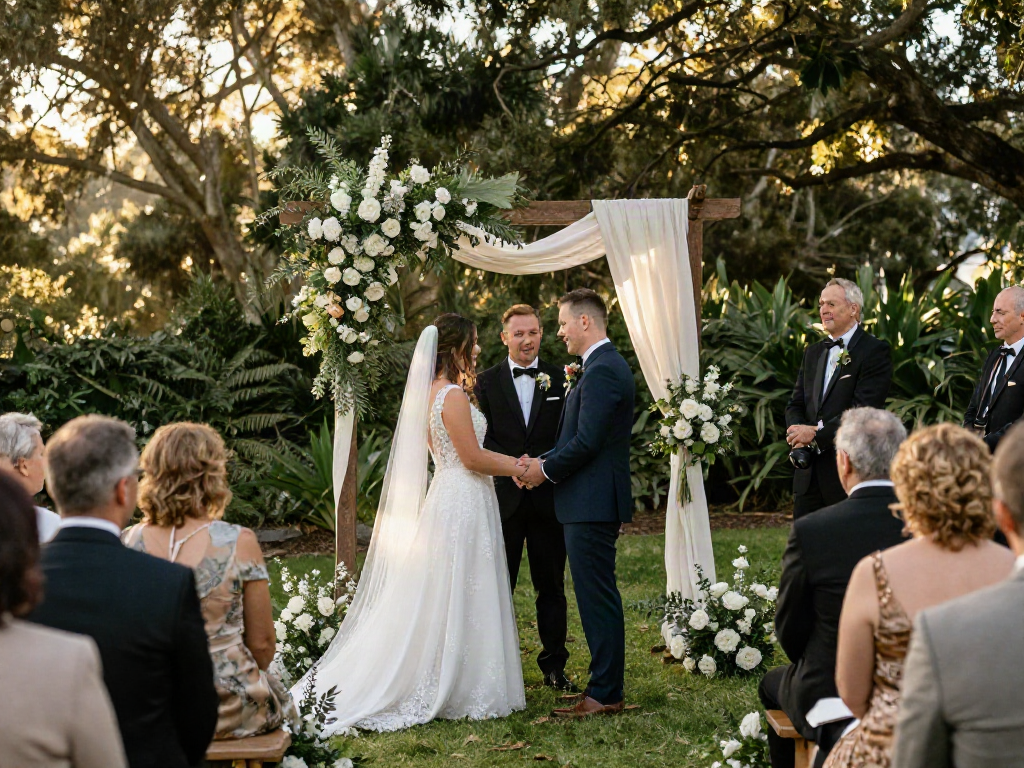
Videography is not merely about capturing moving images; it's an art form that combines technical skills with a creative vision to convey stories and ideas. An Edmonton videographer specializes in creating videos that resonate with audiences, enhancing brand messages, or immortalizing personal milestones like weddings. Understanding the significance of videography translates into recognizing its potential impact on marketing strategies, event documentation, and personal storytelling. High-quality video content can lead to increased engagement, improved brand recognition, and foster emotional connections with the audience. As the digital landscape becomes increasingly visual, the demand for professional videographers continues to rise. With the ability to evoke emotions, convey messages clearly, and entertain, videography stands as a crucial element in diverse sectors, from corporate to personal events. Hiring an experienced edmonton videographer ensures that your project receives the professionalism and creative input it deserves.
Key Skills of a Professional Videographer
A professional videographer must possess a diverse skill set that encompasses technical and personal attributes. Firstly, proficiency in various filming techniques, including understanding lighting, composition, and sound equipment, is essential. They must be adept at utilizing different camera types and accessories to enhance the quality of their footage. Furthermore, storytelling is a crucial aspect of videography. The ability to weave a narrative that captivates viewers is what differentiates a skilled videographer. This involves planning, scripting, and pacing the story effectively through the visual medium. In addition to technical skills, effective communication is of utmost importance. A videographer often collaborates with clients, directors, and other professionals, and the ability to understand and interpret their visions will lead to better outcomes. Problem-solving is also a key skill, as shoots can often present unexpected challenges that require quick thinking and adaptability.
The Gear That Makes Magic Happen
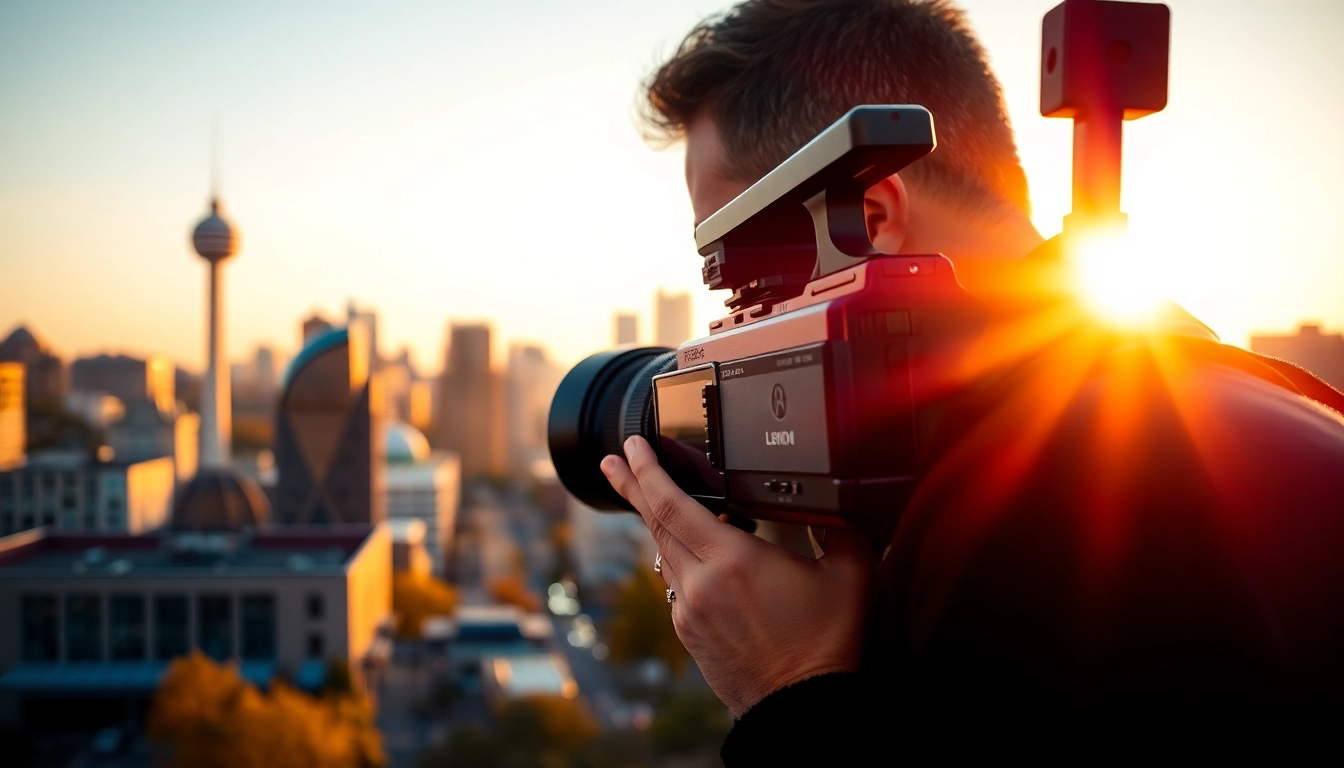
The right equipment can significantly influence the quality of the final product. An Edmonton videographer typically employs a range of high-definition cameras, lenses, and stabilizers to create smooth and visually appealing videos. Key equipment includes: - Cameras: DSLRs and mirrorless cameras are popular choices due to their versatility and image quality. - Lenses: Different lenses achieve various effects, such as depth of field and perspective. Understanding which lenses to use in various scenarios is crucial. - Audio Equipment: Quality sound is vital in videography. Lavalier microphones, shotgun mics, and portable recorders are commonly used to capture clear audio. - Lighting Kits: Proper lighting enhances the visual quality of the footage, making it appear more professional. - Editing Software: Post-production is where the magic continues. Software like Adobe Premiere Pro and Final Cut Pro allows videographers to edit, correct colors, and add effects to create a polished final product.
Choosing the Right Edmonton Videographer for Your Project
Identifying Your Project Needs
Before selecting a videographer, it is essential to pinpoint your project requirements. Are you producing a corporate video, capturing a wedding, or creating promotional content for your business? Each type of project demands different approaches, styles, and skills. Consider your target audience and what message you wish to convey. If you are unsure, consulting a professional can clarify your project scope. This step not only helps in evaluating potential videographers but also sets a clear direction for the project.
Evaluating Portfolios and Styles
Once you have a clear understanding of your project needs, reviewing the portfolios of local Edmonton videographers is the next step. A strong portfolio showcases a range of projects and demonstrates the videographer's ability to handle various styles and environments. Look for high-quality production values, storytelling abilities, and a post-production style that aligns with your vision. Take note of their previous clients and the types of projects completed — this context can provide insight into the videographer's strengths and specialties. Every videographer has a unique style, so it is crucial to find one whose body of work resonates with your project's objectives.
Questions to Ask During Consultations
Meeting with potential videographers allows you to assess not only their skills but also their compatibility with your project. Here are some essential questions to consider: 1. What is your experience in the specific type of videography I need? 2. Can you provide references or testimonials from past clients? 3. What does your production process involve, from pre-production to post-production? 4. How do you handle challenges or setbacks during a shoot? 5. What are your fees, and what do those fees include? These inquiries will help clarify any lingering doubts and ensure that you choose a videographer capable of delivering your desired outcome.
The Videography Process: What to Expect
Pre-Production Planning
Effective videography begins long before the cameras start rolling. Pre-production is critical; it involves brainstorming ideas, scripting, storyboarding, and logistical planning. During this phase, the videographer collaborates closely with the client to ensure that everyone shares a unified vision. Additionally, this stage includes scouting locations, scheduling shoots, and arranging necessary permits. A thorough pre-production plan can save time and mitigate potential issues during filming, leading to a more polished final product.
The Filming Day Explained
On the filming day, professionalism, and preparation are key. The videographer and crew should arrive early to set up equipment and ensure that everything is in order. This may involve setting lighting, testing audio equipment, and rehearsing key segments. Communication is vital during this phase as well – clear directions, adjustments, and cooperation among team members streamline the shoot. The videographer should adeptly capture various angles and shots to provide ample material for post-production. Flexibility is important here, as unplanned moments might elevate the video’s appeal.
Post-Production Work and Editing
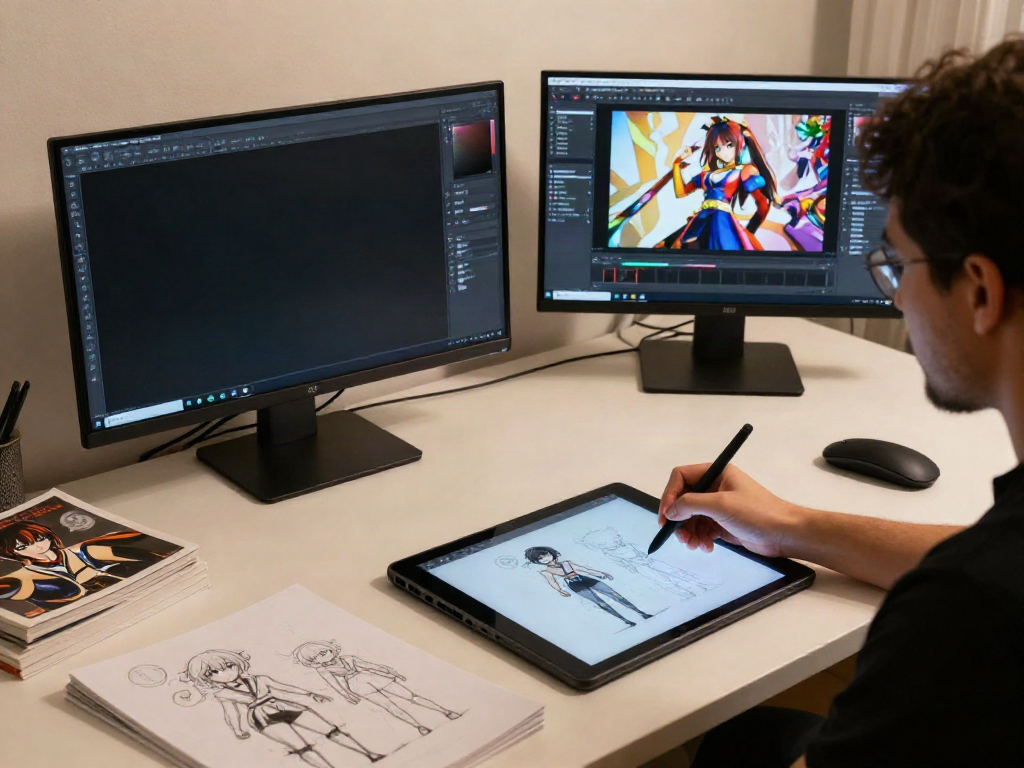
After filming, the post-production stage begins, where the magic of editing transforms raw footage into a cohesive narrative. This process includes selecting the best shots, cutting unnecessary footage, and arranging clips to match the desired storyline. Color correction, sound editing, and the addition of graphics or music enhance the video's overall quality and impact. The videographer should work closely with the client during this phase to gather feedback and make adjustments as needed. Delivering a final video that aligns with the original vision is essential for client satisfaction.
Best Practices for Working with an Edmonton Videographer
Creating a Collaborative Environment
Collaboration is key to a successful videography project. Establishing a supportive relationship with the videographer fosters creativity and allows for the free exchange of ideas. Clients should feel comfortable sharing their thoughts, preferences, and any concerns that arise throughout the process. Regular check-ins during production and post-production can also help ensure that everyone remains on the same page, and adjustments can be made accordingly.
Providing Clear Direction and Feedback
When working with a videographer, clarity in communication leads to better results. Providing detailed briefs, sharing reference materials, and articulating your vision can bridge the gap between expectation and reality. Be honest with your feedback during reviews; constructive criticism helps enhance the end product. Though flexibility is essential, maintaining a clear vision ensures that the end result aligns closely with your original goals. This balance can lead to creative breakthroughs and stronger final content.
Understanding Timelines and Deliverables
Before launching into a project, both the client and the videographer must agree on timelines, including when the shooting will occur and when the final product will be delivered. Understanding the various stages of production and allowing enough time for each will defer rushed deadlines. Discuss milestone deliverables and review dates throughout the process. This level of organization can help manage expectations and create a smoother workflow.
FAQs About Edmonton Videography
How much does hiring an Edmonton videographer typically cost?
The cost varies based on project length, complexity, and videographer experience, typically ranging from $1,000 to $5,000.
What types of projects do Edmonton videographers work on?
They work on various projects, including weddings, corporate events, documentaries, and promotional videos for businesses.
How long does it take to receive the final video?
Delivery timelines depend on the project's size. Most deliverables can be expected within a few weeks post-shoot.
What should I prepare before meeting with a videographer?
Have a clear vision of your project, including budget, style, and any inspirations you want to share with the videographer.
Can I request changes to the video after it’s completed?
Typically, you can request changes during the editing phase, but it’s best to discuss this upfront during the planning stage.
Contact Information
Call Us: (780) 475-7545Email: [email protected]Address: TD Tower Suite 2501, 10088 - 102 Ave Edmonton, AB T5J 2Z1