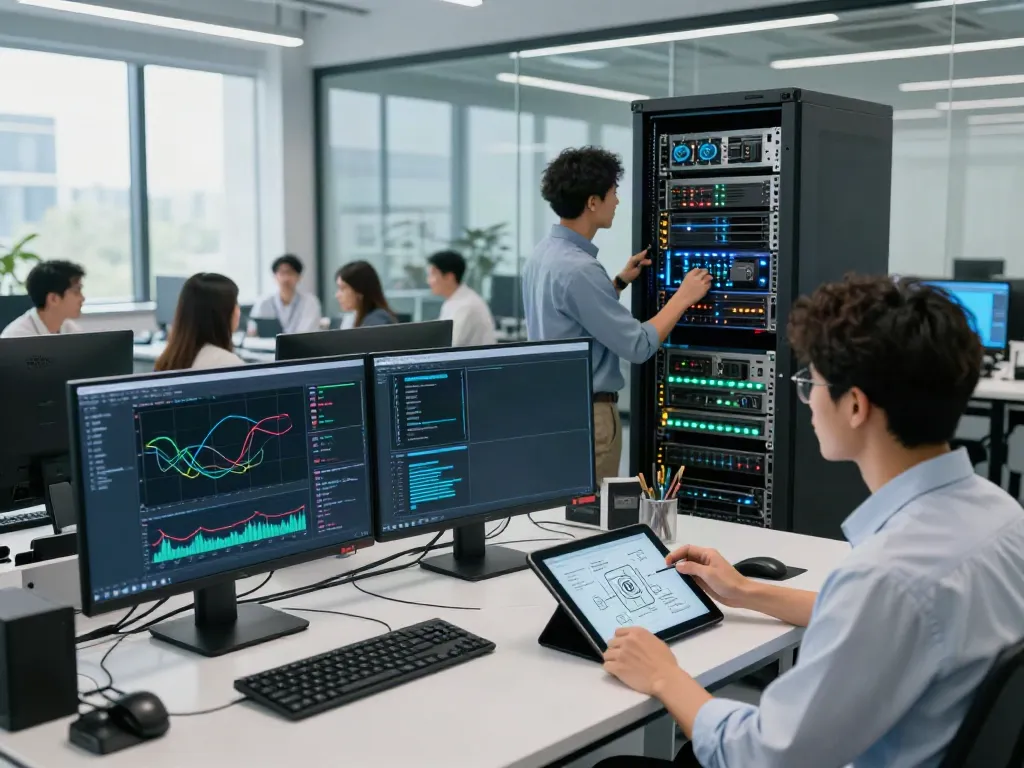
Understanding GPU Computing in 2026
GPU computing has become an integral part of modern technology, facilitating advancements across various industries, particularly in artificial intelligence (AI). With the rapid evolution of AI technologies, understanding the infrastructure that supports them is crucial. GPU computing not only enhances performance but also plays a key role in energy efficiency and scalability, making it essential for developers and businesses alike.
What is GPU Computing?
At its core, GPU computing involves leveraging the parallel processing capabilities of Graphics Processing Units (GPUs) to perform complex calculations more efficiently than traditional CPUs. Originally designed for rendering graphics, GPUs have evolved to handle a broad spectrum of computational tasks, making them ideal for AI and machine learning applications. This shift towards GPU utilization reflects a growing demand for faster data processing, allowing organizations to analyze vast datasets in real time.
Difference Between GPU and CPU Computing
The primary distinction between GPU and CPU computing lies in their architecture. CPUs, or Central Processing Units, are optimized for sequential processing and are ideal for tasks requiring low latency. In contrast, GPUs consist of thousands of smaller cores designed for parallel processing, enabling them to execute multiple operations simultaneously. This architectural advantage makes GPUs significantly faster than CPUs for tasks such as neural network training and inferencing, where large-scale parallelism is beneficial.
Current Trends in GPU Technology
The GPU landscape is continuously evolving, with trends focused on increasing processing power and energy efficiency. Notable advancements in machine learning frameworks, such as TensorFlow and PyTorch, have been optimized to utilize GPU capabilities fully. Additionally, innovations in hardware, such as NVIDIA's Ampere and AMD's RDNA architectures, are shaping how GPUs can be used across different applications, including AI, gaming, and high-performance computing (HPC).
Advantages of GPU Computing for AI
GPU computing provides several compelling advantages over traditional computing methods, which are crucial for AI applications. These benefits range from enhanced computational speed to greater energy efficiency, making GPUs a preferred choice for developers and researchers.
Enhanced Performance for AI Workloads
The ability of GPUs to process vast amounts of data in parallel allows for substantial increases in performance when executing AI workloads. For example, training deep learning models that require processing millions of parameters simultaneously can be accomplished in hours with GPUs, compared to days or weeks with CPUs. This performance boost is vital for applications in natural language processing, image recognition, and autonomous systems.
Scalability in AI Infrastructure
As organizations scale their AI initiatives, GPU computing offers the flexibility needed to adapt to increasing data and processing demands. Cloud service providers now offer scalable GPU resources that can be effortlessly integrated into existing workflows, allowing businesses to ramp up their computational capabilities without substantial upfront investments in hardware.
Energy Efficiency and Sustainability
Another significant advantage of GPU computing is its energy efficiency. With the increasing focus on sustainability, GPUs are designed to perform computations using less power than traditional CPUs in certain applications. This efficiency not only reduces operational costs but also aligns with global efforts to minimize the carbon footprint of technology infrastructure.
Challenges Faced in Implementing GPU Computing
While GPU computing offers numerous benefits, organizations must also navigate several challenges when integrating this technology into their operations.
Cost Considerations for GPU Infrastructure
Investing in GPU infrastructure can be costly, particularly for smaller organizations. The price of high-quality GPUs and the associated hardware, such as cooling systems and power supplies, can quickly escalate. However, cloud-based solutions offer a more accessible alternative, allowing businesses to leverage GPU power without the burden of capital expenditure.
Limited Availability of High-Quality GPUs
The semiconductor shortage that began in 2020 has had lasting effects on the availability of high-performance GPUs. Many organizations face difficulties procuring the latest models, which can hinder their ability to deploy advanced AI applications. Companies must develop strategic partnerships with suppliers to ensure a steady supply of hardware.
Technical Expertise Required for Optimization
Successfully implementing GPU computing requires specialized knowledge in parallel programming and system optimization. Organizations may need to invest in training their existing workforce or hiring new talent proficient in frameworks like CUDA or OpenCL, which can pose an additional barrier to adoption.
Measuring the Impact of GPU Computing on AI Performance
As organizations increasingly adopt GPU computing for their AI initiatives, measuring its impact becomes essential. Understanding key metrics allows businesses to evaluate efficiency and make informed decisions about resource allocation.
Key Metrics for Evaluating GPU Efficiency
Some critical metrics for assessing GPU performance include throughput (the number of tasks completed in a given timeframe), latency (the time taken to complete a single task), and power efficiency (the amount of work performed per watt). By closely monitoring these metrics, organizations can identify bottlenecks and optimize their workflows for better performance.
Case Studies of Successful Implementations
Numerous case studies showcase the successful implementation of GPU computing within organizations. For instance, companies in the healthcare sector have leveraged GPUs for image analysis in radiology, significantly improving diagnostic accuracy and speed. Similarly, financial institutions utilize GPUs for real-time risk assessment and fraud detection, illustrating how this technology can drive innovation across various fields.
Future Predictions for GPU Utilization
Looking ahead, the demand for GPU computing is expected to increase as AI applications proliferate. Innovations in quantum computing may also present new opportunities for harnessing the power of GPUs in unprecedented ways. Organizations that can adapt to these advancements will likely maintain a competitive edge in their respective industries.
Getting Started with GPU Computing
For organizations looking to adopt GPU computing, several best practices can facilitate a smooth transition and maximize the benefits of this technology.
Choosing the Right GPU for Different Applications
Different applications require different GPU capabilities. Organizations should assess their specific needs and select a GPU that aligns with their workload requirements. For instance, deep learning tasks often benefit from GPUs with high memory bandwidth, while general-purpose applications may prioritize processing speed.
Best Practices for Integrating GPU into AI Workflows
Integrating GPUs into existing AI workflows necessitates careful planning. Organizations should consider factors such as compatibility with current systems, provisions for scaling, and the required software environment. Implementing best practices during this integration phase can foster long-term success.
Resources for Learning More About GPU Computing
Numerous resources are available to aid individuals and organizations in learning about GPU computing. Online courses, webinars, and community forums can provide valuable insights and foster collaboration among professionals in the field.