Understanding the Scissor Lift
What is a scissor lift?
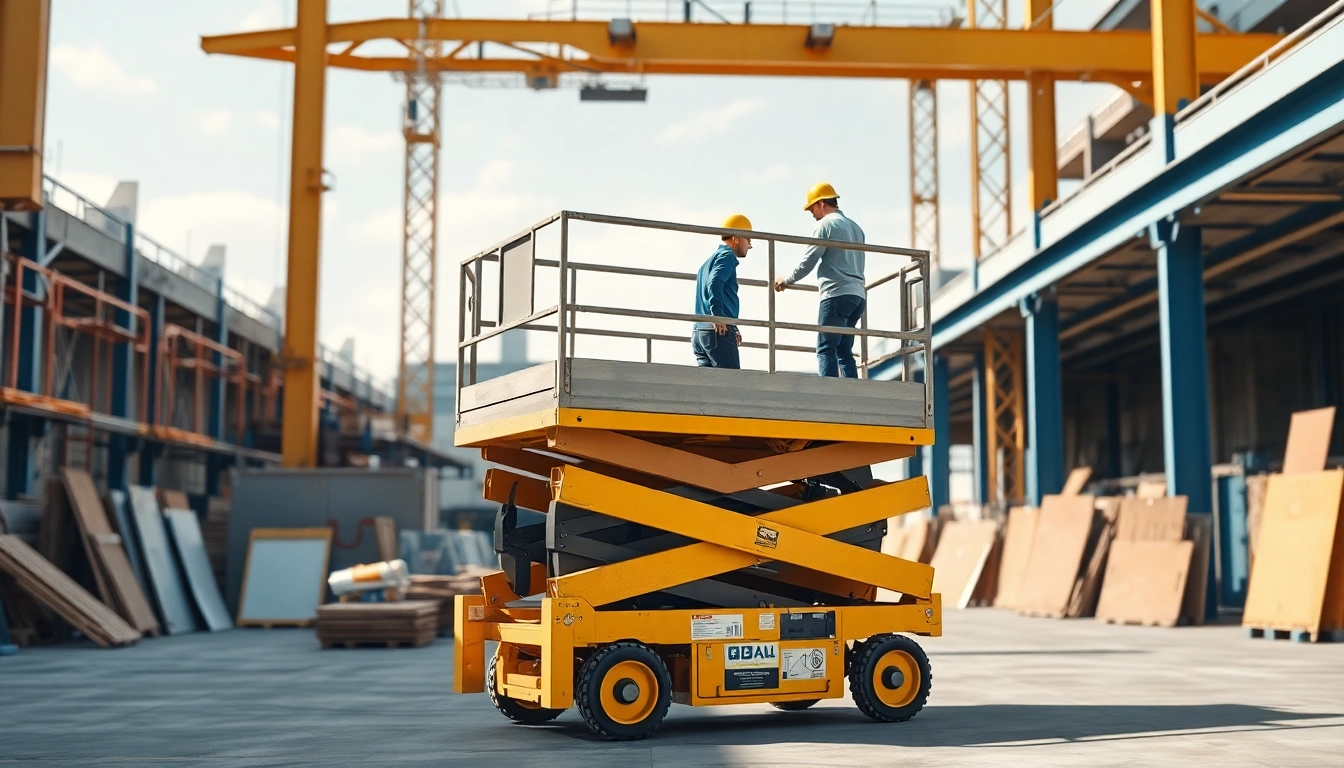
A scissor lift is a type of aerial work platform that is designed to elevate both personnel and materials to various heights. This equipment utilizes a set of crisscrossed beams that fold and unfold in a scissor-like manner, which allows its platform to rise and lower smoothly. Scissor lifts can be powered by either electric or hydraulic systems, with the former being more suitable for indoor operations due to reduced noise and emissions. Their capacity to manage vertical lifting tasks makes them invaluable in numerous industries, including construction, maintenance, and warehousing. If you're considering using a scissor lift for your projects, ensure to explore reliable rental options that match your height and weight requirements, such as those available at scissor lift services.
Key features of scissor lifts
Scissor lifts come with a range of features designed to enhance their usability and safety. Key features include:
- Height and Weight Capacity: Scissor lifts are available in various models that can reach heights from 10 feet to over 70 feet, accommodating weights up to several thousand pounds.
- Platform Size: Most models have large platforms that can hold multiple workers and tools, thus increasing productivity on job sites.
- Mobility: Many scissor lifts are equipped with extendable platforms and can be moved easily across different terrains, making them versatile for various applications.
- Control Systems: Operators can operate scissor lifts using straightforward manual controls, and many modern models are equipped with advanced electronic controls that enhance precision.
- Safety Features: Most scissor lifts incorporate safety measures such as guard rails, overload sensors, and emergency stop buttons, which are crucial for accident prevention.
Benefits of using scissor lifts
Utilizing a scissor lift offers several benefits, particularly when it comes to elevating employees and equipment securely and efficiently. Notable advantages include:
- Enhanced Safety: Elevating workers in a controlled environment helps minimize falls and accidents compared to using ladders or scaffolding.
- Increased Efficiency: The ability to elevate multiple workers and their tools simultaneously leads to faster project completion times and reduces the need for additional equipment.
- Accessibility: Scissor lifts can reach tight spaces that other larger equipment might not, allowing access to challenging work areas.
- Cost-Effectiveness: Renting a scissor lift can be more economical than purchasing one, particularly for short-term projects.
- Versatile Applications: Scissor lifts are suitable for various tasks, including construction, maintenance, and even events, making them a valuable addition to any toolkit.
Types of Scissor Lifts
Electric scissor lift advantages
Electric scissor lifts are primarily designed for indoor use but can also perform well in outdoor applications on firm, level surfaces. Highlights include:
- Environmentally Friendly: Equipped with electric motors, these lifts produce no emissions, making them ideal for indoor projects where air quality is a concern.
- Noise Reduction: Electric models operate quietly, minimizing disturbances in residential or sensitive working environments.
- Stability and Maneuverability: Electric scissor lifts typically feature solid rubber tires that provide greater stability and ease of movement in tight spaces.
Rough terrain scissor lift features
Rough terrain scissor lifts are engineered for outdoor use, particularly on uneven surfaces or construction sites. Their features include:
- Tough Tires: Equipped with oversized tires that provide better traction, these lifts can navigate rocks, gravel, and mud.
- Increased Ground Clearance: The elevated stance helps prevent getting stuck in soft ground, thus enhancing mobility across construction sites.
- Power Options: These models may come with either diesel or bi-fuel engines to cater to outdoor demands.
- Enhanced Lift Capacity: Designed to handle heavier loads, they can support tools and personnel effectively in a rugged environment.
Choosing the right scissor lift type
Selecting the proper scissor lift requires assessing your specific needs and project requirements. Consider these factors:
- Height & Weight Requirements: Determine how high you need to work and the weight the lift needs to support, including tools and materials.
- Site Conditions: Choose between electric models for indoor use and rough terrain scissor lifts for outdoor applications based on where the lift will operate.
- Frequency of Use: For regular use, purchasing a scissor lift may be more cost-effective than renting one continually.
- Budget Considerations: Evaluate your budget for the project, including costs of rental versus ownership, maintenance, and potential operational training.
Applications of Scissor Lifts
Common industries utilizing scissor lifts
Scissor lifts are flexible and can be found in countless industries. Notable sectors include:
- Construction: Primarily used for installing ceilings, lighting fixtures, and other elevated construction tasks.
- Maintenance: Often utilized in facilities management for cleaning, repairs, and equipment servicing.
- Warehousing: Common in managing high-racking systems, scissor lifts aid in stocking and retrieving items efficiently.
- Events: Event planners use scissor lifts to set up stages, lighting, and decorations, particularly in large venues.
- Telecommunications: Used for installing and maintaining aerial systems, such as antennas and surveillance cameras.
Scissor lift in construction and maintenance
In construction, scissor lifts improve safety and productivity significantly. They allow multiple workers to work at heights without putting themselves at risk of falls. For maintenance, scissor lifts provide an efficient way to access elevated installations in a wide array of structures, ensuring that routine inspections and repairs are done swiftly.
Unique uses of scissor lifts in events
In the events industry, scissor lifts serve crucial roles in setting up stages, hanging lighting rigs, and constructing temporary structures. Their ability to reach significant heights safely allows event staff to execute complex setups that enhance the overall experience of attendees.
Scissor Lift Safety Guidelines
Understanding scissor lift safety protocols
Ensuring safety while operating a scissor lift is paramount. Follow these key protocols:
- Inspection: Conduct thorough pre-operation checks to identify potential mechanical faults or unsafe conditions.
- Use Personal Protective Equipment (PPE): Operators must wear appropriate PPE, including helmets, harnesses, and non-slip footwear.
- Follow Manufacturer Guidelines: Always adhere to the operational handbook provided by the manufacturer for safety measures and limitations.
Training requirements for operators
Effective training for scissor lift operators is crucial in preventing accidents and ensuring efficient use. Training should cover:
- Understanding controls and safety features of the scissor lift.
- Practicing safe operating procedures, including navigating obstacles and working at heights.
- Emergency response protocols in case of equipment failure or personnel accidents.
Common hazards and prevention strategies
Some common hazards related to scissor lifts include:
- Falls: To mitigate fall risks, always ensure guardrails are secure and use a harness when necessary.
- Overloading: Never exceed the lift's weight limit, which can compromise stability and lead to accidents.
- Electrical Hazards: Be cautious around power lines and electrical installations to avoid electrocution risks.
Renting vs. Buying a Scissor Lift
Cost analysis: Renting vs. ownership
Whether to rent or buy a scissor lift depends on various factors:
- Initial Investment: Purchasing a scissor lift requires a significant upfront investment, while renting allows immediate access without the capital burden.
- Long-Term Usage: For one-off projects, renting is advisable; however, for frequent usage, purchasing can be more economical over time.
- Maintenance Costs: Owning a scissor lift involves ongoing upkeep, which may not apply when renting from a reputable provider.
Factors to consider when renting
Consider the following points when contemplating the rental of a scissor lift:
- Availability of models that meet the required platform height and weight capacity for your specific job.
- Rental duration and costs associated with it, ensuring that it fits within your budget.
- Terms related to insurance, damage, and liability provided by the rental company.
Long-term benefits of owning a scissor lift
Owning a scissor lift comes with several long-term advantages:
- Reduced Costs Over Time: Assuming frequent usage, the cumulative rental fees can exceed the cost of purchasing a lift.
- Customization: Owners have the flexibility to modify or maintain their equipment according to specific needs and preferences.
- Availability: Having immediate access to a scissor lift eliminates delays or bidding conflicts that can arise from rentals.
Frequently Asked Questions
What is the maximum height a scissor lift can reach?
Scissor lifts can reach heights from 10 to over 70 feet, depending on the model and application.
Are scissor lifts safe to operate?
When operated following safety guidelines and protocols, scissor lifts are safe. Proper training is crucial for operators.
How long can I rent a scissor lift for?
Scissor lifts can be rented for various durations, from a few hours to several months, based on your project's needs.
Can scissor lifts be used outdoors?
Yes, rough terrain scissor lifts are specifically designed for outdoor usage, while electric models are better suited for indoor environments.
What maintenance is required for scissor lifts?
Regular checks on components, hydraulic systems, and safety features are needed to ensure the lift operates correctly and safely.